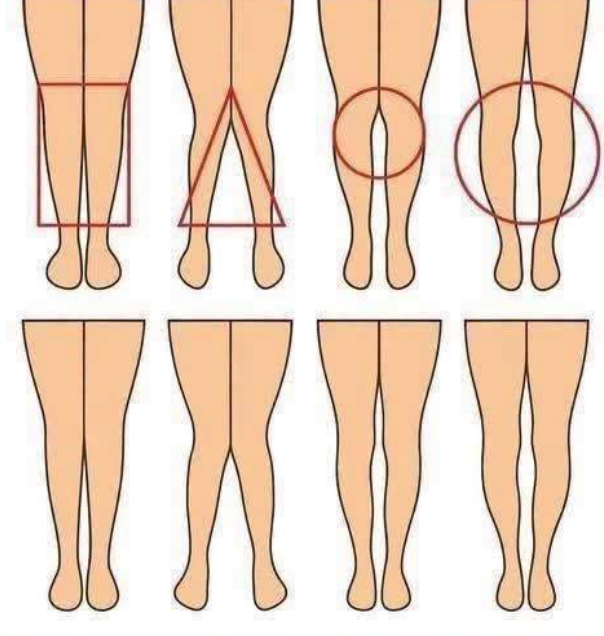
A person’s legs are shaped by a combination of genetics, bone structure, muscle development, and everyday movement. Differences in thigh shape, knee alignment, calf definition, and overall proportions are natural parts of human anatomy. Although these features are often discussed in conversations about beauty and fitness, they can also reflect how the body develops and functions.
Understanding these differences can help people move away from unrealistic appearance standards and appreciate the important role their legs play in daily life.
Genetics Help Shape Leg Structure
The basic structure of the legs begins developing long before adulthood. Genetic factors influence bone length, hip width, muscle attachment points, and many other characteristics that contribute to an individual’s proportions.
These differences help explain why two people with similar heights and activity levels may have very different leg shapes.
Some people naturally have fuller thighs, while others have slimmer legs or more prominent calves. The distance between the thighs, the angle of the knees, and the appearance of the lower legs can also vary considerably.
These features are not reliable indicators of a person’s character, lifestyle, or overall health. They are simply part of the wide range of normal human anatomy.
Exercise can strengthen muscles and improve endurance, but it cannot fundamentally change the underlying shape of the bones. Recognizing this distinction can help people establish realistic fitness goals without trying to achieve proportions that may not be natural for their bodies.
Why Thighs May Touch or Remain Apart
One commonly discussed feature is whether the thighs touch when a person stands with their feet together.
This depends on several factors, including pelvic width, the angle of the thigh bones, body composition, and the position of the legs. Some people naturally have thighs that touch, while others have a gap between them.
Neither appearance is a universal sign of fitness or good health.
Online images and beauty trends sometimes present a thigh gap as a goal, but this feature is largely influenced by anatomy and individual proportions. Losing weight does not guarantee that someone will develop one, and attempting to force a particular body shape can lead to unhealthy habits.
A more useful approach is to focus on strength, mobility, cardiovascular fitness, and overall well-being rather than one specific measurement or appearance.
Understanding Knee Alignment
The position of the knees can influence how the legs appear when standing or walking.
Some individuals naturally have a slight inward or outward angle. In many cases, this reflects ordinary anatomical variation. However, pronounced knee alignment differences can sometimes affect joint mechanics or contribute to discomfort.
The appearance of the knees alone is not enough to determine whether a problem exists. Pain, swelling, instability, difficulty walking, or a noticeable change in alignment may warrant an assessment by a healthcare professional.
For people who experience no symptoms, natural differences in leg alignment do not automatically require correction.
When a medical concern is present, treatment depends on the underlying cause, the person’s age, and the severity of the issue. A qualified clinician can help determine whether observation, physical therapy, or another intervention is appropriate.
What Calf Shape Can Tell Us
The calves contain muscles that help move the ankles, stabilize the lower legs, and support activities such as walking, running, climbing stairs, and jumping.
Their appearance varies with genetics, muscle development, body composition, and physical activity. Some people naturally have more prominent calf muscles, while others have a slimmer outline even when they are active.
Activities such as walking uphill, cycling, running, and resistance training can influence calf strength and muscle development. However, the final appearance remains partly determined by individual anatomy.
Calf size alone does not provide a complete picture of fitness. Endurance, balance, strength, flexibility, and the ability to perform everyday activities are often more meaningful measures of physical function.
Sudden changes in the size of one calf, particularly when accompanied by pain, warmth, redness, or swelling, should not be dismissed as a cosmetic issue. These symptoms can sometimes indicate a serious medical problem and require prompt medical evaluation.
How Movement Influences the Legs
Although genetics play an important role in body shape, daily habits influence how the legs function.
Walking, swimming, cycling, dancing, yoga, and strength training can all contribute to different aspects of lower-body fitness. Regular movement helps maintain muscle strength, joint mobility, balance, and endurance.
The best activity depends on personal preferences, health status, and fitness goals. Someone who enjoys dancing may develop coordination and endurance, while resistance exercises can help build strength. Walking can be a practical way to incorporate regular movement into an ordinary routine.
Consistency is generally more useful than pursuing an extreme exercise plan. Gradually increasing activity and allowing adequate recovery can help reduce the risk of injury.
People with existing joint problems or mobility limitations may benefit from advice from a healthcare professional or qualified exercise specialist before beginning a new program.
Posture and the Way Legs Appear
Posture can influence how the legs look and how weight is distributed while standing.
The position of the pelvis, hips, knees, and ankles can change the visual alignment of the lower body. Clothing, footwear, camera angles, and the way someone stands can also affect how leg proportions appear in photographs.
Good movement habits are not about holding a rigid pose throughout the day. Instead, they involve developing comfortable, functional ways to stand, sit, and move.
Strengthening the muscles around the hips and legs may support balance and control, while mobility exercises can help some people move more comfortably. However, exercise should not be expected to correct every structural difference.
If posture changes are associated with persistent pain or difficulty moving, a professional assessment may help identify the cause.
Clothing, Personal Style, and Confidence
Clothing choices can influence how people feel about their bodies. Different cuts, fabrics, and lengths can create different visual effects, but no particular style is required to make a person’s legs look acceptable.
Some people prefer fitted clothing, while others feel more comfortable in loose trousers, long skirts, or shorts. These preferences are personal rather than medical or moral judgments.
The same principle applies to footwear and fashion trends. A style that works for one person may not suit another person’s comfort, activities, or taste.
Body confidence does not require loving every feature every day. It can begin with recognizing that natural differences do not need to be corrected simply because they do not match a popular image.
Why Comparing Bodies Can Be Misleading
Social media often presents carefully selected images that emphasize particular body proportions. Lighting, camera positioning, editing, and posing can all change the way legs appear.
Comparing an everyday reflection with a carefully produced photograph may therefore create unrealistic expectations.
Even when images are unedited, people differ in bone structure, muscle distribution, and body composition. Two healthy individuals can have noticeably different proportions without either having a problem.
Instead of judging progress by appearance alone, people may find it more helpful to consider practical changes, such as walking farther without tiring, improving balance, gaining strength, or experiencing greater comfort during daily activities.
These measures can provide a more meaningful understanding of physical progress than attempting to match another person’s body shape.
When Leg Changes Deserve Medical Attention
Most differences in leg shape develop gradually and are not signs of disease. However, new or unexplained changes should be considered in context.
Seek prompt medical advice if you notice persistent pain, worsening swelling, unexplained weakness, or a significant change in how you walk.
Sudden swelling in one leg, especially with pain, redness, or warmth, can be a warning sign of a blood clot. Emergency care is necessary if leg symptoms occur alongside chest pain, shortness of breath, or fainting.
Changes in leg shape accompanied by persistent joint pain or difficulty bearing weight may also require assessment.
These symptoms should be evaluated based on their timing, severity, and associated signs rather than interpreted through appearance alone.
Appreciating What Your Legs Do
Legs do far more than contribute to a person’s appearance. They support body weight, help maintain balance, and make countless daily activities possible, from walking across a room to climbing stairs and participating in sports.
Their shape reflects a mixture of inherited characteristics, development, and physical activity. While exercise can improve strength and function, there is no single ideal leg shape that everyone should try to achieve.
Understanding natural anatomical differences can help people set realistic goals and reduce unnecessary comparisons. Choosing activities that feel enjoyable, caring for joint health, and responding appropriately to unusual symptoms are more valuable than chasing a particular appearance.
Ultimately, legs do not reveal a person’s worth, personality, or lifestyle simply through their shape. They are individual parts of a body that deserves care, respect, and attention to what it can do—not just how it looks.