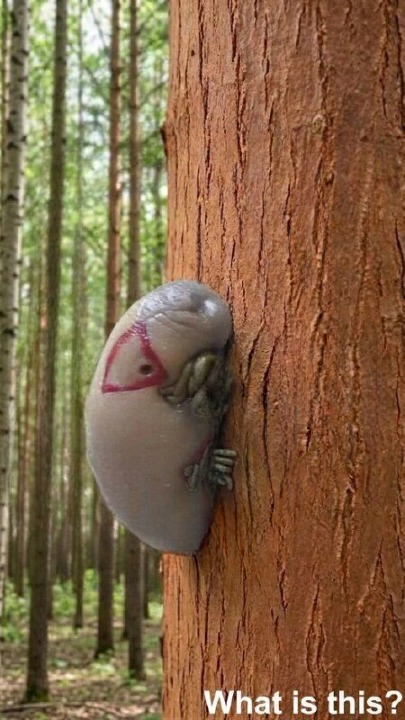
Nature has a way of turning ordinary moments into memorable experiences. A walk through a wooded area, an afternoon in the garden, or a short trip outdoors after rainfall can become unexpectedly interesting when an unfamiliar animal appears nearby.
It might be a colorful insect resting on a leaf, a frog crossing a damp path, a lizard sitting on a warm stone, or a bird searching for food beneath a tree. These encounters may last only a few seconds, but they can encourage curiosity and remind us how much wildlife exists around us.
Even familiar places contain a surprising variety of living organisms. Gardens, neighborhood parks, fields, and roadside vegetation all provide habitats for different species. Taking the time to notice them can help us understand the natural environment and the connections between plants, animals, and people.
The most important part of an unexpected wildlife encounter is knowing how to respond. Curiosity can lead to discovery, but caution and respect should always come first.
The Unexpected Moments That Make Nature Memorable
Many people spend time outdoors without noticing the smaller details around them. Daily routines can make familiar surroundings seem predictable, even though wildlife continues to feed, move, reproduce, and adapt nearby.
An unexpected sight can interrupt that routine. A small animal crossing a pathway or an unfamiliar sound coming from the garden may suddenly capture someone’s attention.
These moments often create questions. What kind of animal is it? Why is it there? What does it eat, and where does it normally live?
Observing details such as color, body shape, movement, and behavior can encourage people to learn more about local wildlife. Someone who previously paid little attention to insects might become interested in pollinators, while another person may begin recognizing different bird calls.
An encounter does not need to involve a rare species to be meaningful. Sometimes the most interesting discoveries happen close to home, where ordinary surroundings reveal details that were previously overlooked.
Why Unfamiliar Animals Can Surprise Us
People naturally feel more comfortable with things they recognize. Familiar animals, such as squirrels, sparrows, and butterflies, may seem easier to understand because their appearance and behavior are recognizable.
An unfamiliar creature can create uncertainty. Its movements might seem unusual, its colors may be striking, or its shape may be different from what someone expects.
Without reliable information, it can be difficult to determine whether an animal is harmless, defensive, or potentially dangerous. Some people respond by moving away, while others become curious and want to investigate.
Both reactions can be useful when balanced with good judgment.
Curiosity encourages learning, but it should never lead someone to touch or capture an unidentified animal. Caution is particularly important when dealing with unfamiliar insects, spiders, snakes, or other wildlife that may have defensive behaviors.
A sensible response is to pause, keep a safe distance, and observe without interfering.
An animal that initially appears unusual may simply be a local species carrying out an ordinary activity, such as looking for food, finding shelter, or avoiding predators.
Discovering the Small World Around Us
Wildlife is not limited to remote forests and protected natural areas. It can also be found in towns, cities, gardens, fields, and small patches of vegetation beside roads.
Smaller creatures are particularly easy to overlook. Many remain hidden among plants, soil, rocks, and fallen leaves, while others become active only during certain seasons or weather conditions.
After rainfall, earthworms may become more visible near the soil surface. Frogs and other moisture-dependent animals may also be easier to notice in suitable habitats. Some insects become more active during warm weather, while other species seek sheltered places when temperatures change.
These patterns depend on the species, season, and local environment. They demonstrate how weather can influence animal activity and make familiar outdoor spaces look different from one day to another.
Gardens offer a useful opportunity to observe this diversity. Flowers attract pollinators, shrubs provide shelter, and healthy soil supports numerous small organisms.
These living things are often connected. Insects feed on plants, spiders consume other small animals, birds search for insects and seeds, and decomposers help return nutrients to the soil.
Understanding these relationships helps explain why a particular creature may appear in a garden. It may be searching for food, moisture, shelter, or a suitable place to reproduce.
Understanding Wildlife Before Making Assumptions
An unusual appearance can influence how people react to an animal. A creature with many legs, a striking pattern, or rapid movements may seem intimidating at first.
However, appearance alone cannot reliably establish whether an animal is dangerous.
Some species have defensive features that are intended to discourage predators. Others use camouflage to avoid being noticed. Certain animals move quickly because they are trying to escape a perceived threat.
There are also species that genuinely require caution, including venomous snakes, some spiders, and stinging insects. Learning to distinguish between them requires accurate identification rather than assumptions based on appearance.
If you cannot confidently identify an animal, avoid handling it. Observe from a safe distance and consult a reliable wildlife guide, local wildlife authority, or qualified specialist when identification is important.
A photograph may sometimes help, provided it can be taken without approaching or disturbing the animal. However, photographs do not always show the features needed for accurate identification.
Being cautious does not mean treating every unfamiliar creature as a threat. It means respecting wildlife while making informed decisions about personal safety.
The Important Roles of Small Animals
Small animals often perform important ecological functions that are easy to overlook.
Bees, butterflies, moths, and other pollinators help many plants reproduce. As they move between flowers, they transfer pollen, allowing plants to produce seeds and, in many cases, fruits.
Earthworms and other soil organisms help break down organic material and contribute to soil structure and nutrient cycling. Their activity supports the processes that allow healthy soil to function.
Spiders and predatory insects feed on other small animals, including some species that are considered garden pests. Birds, amphibians, reptiles, and mammals may depend on these organisms as food sources.
Fungi and microorganisms also play an important role by breaking down dead plant material and other organic matter. This process returns nutrients to the environment and supports new growth.
Together, these relationships form complex food webs. Changes involving one species can sometimes affect other organisms, although the consequences depend on the ecosystem.
This does not mean every animal should be allowed into every part of a home or garden. Some species can damage plants, create safety concerns, or transmit disease. The important point is to understand the specific animal before deciding whether action is necessary.
A small creature that initially seems inconvenient may be performing a useful role in the surrounding environment.
How Gardens Can Support Wildlife
Gardens are often designed around human preferences, with lawns, flowers, paths, trees, and outdoor seating. However, these spaces can also provide food and shelter for wildlife.
Flowering plants supply nectar and pollen, while trees and shrubs offer protection and potential nesting areas. Fallen leaves create shelter for smaller organisms, and healthy soil supports life beneath the surface.
The variety of plants in a garden can influence which animals visit. A space containing different flowering plants, shrubs, and trees may attract a wider range of wildlife than an area consisting almost entirely of closely cut grass.
Water can also influence animal activity. Ponds, birdbaths, and damp areas may attract birds, insects, amphibians, and other creatures, depending on local conditions.
There are several practical ways to make a garden more welcoming to wildlife:
- Plant flowers and shrubs suited to the local climate.
- Maintain a variety of plants and vegetation heights.
- Avoid unnecessary pesticide use.
- Provide suitable water sources where appropriate.
- Preserve some natural shelter, such as carefully managed leaf litter.
- Keep frequently used paths and play areas clear and safe.
Supporting wildlife does not mean sacrificing comfort or safety. With thoughtful planning, a garden can remain attractive and practical while also providing habitat for beneficial species.
Why Responsible Observation Matters
Watching wildlife can be rewarding, but the way people observe animals can affect their well-being.
The most responsible approach is to allow animals to behave naturally without unnecessary interference.
Avoid picking up unfamiliar creatures, blocking their escape routes, or attempting to move them with household objects. Even small animals may bite, sting, scratch, or release defensive substances when frightened.
Handling can also cause injury. Some animals have delicate bodies, while others are sensitive to stress, temperature changes, or contact with human hands.
If an animal is resting in a garden, give it room to move away. If it appears injured, trapped, or unable to leave a dangerous location, contact an appropriate wildlife rescue organization or local authority for advice.
It is also important not to assume that an animal needs rescuing simply because it is alone. Young birds and other wildlife may spend time away from their parents while developing the ability to move and find food. The correct response depends on the species and circumstances.
If an animal presents an immediate risk to people or pets, keep a safe distance and contact the relevant local service.
Responsible observation means recognizing that wildlife is not there for human entertainment. Its natural behavior and well-being should guide our actions.
Helping Children Learn From Nature
Unexpected wildlife encounters can provide valuable learning opportunities for children.
A child who notices a beetle beneath a leaf or a frog near a garden pond may begin asking questions about how animals move, what they eat, and where they live.
Adults can encourage this curiosity by helping children observe carefully rather than immediately touching or collecting the animal.
For example, children can describe its color, shape, movement, and surroundings. They can then compare their observations with information in a suitable nature guide.
This approach develops observation skills while teaching an important lesson: an animal does not need to be handled for someone to learn about it.
Children should also understand basic wildlife safety. They should avoid touching unknown animals, stay away from nests and dens, and tell an adult when they discover a creature they cannot identify.
In areas where potentially dangerous species are present, children should remain supervised outdoors. Adults can explain why certain animals need extra distance and why trained professionals should handle situations involving injured or potentially dangerous wildlife.
Nature education does not require expensive equipment. A notebook, pencil, and guide to local species can provide a simple starting point.
Over time, children may discover that the natural world contains fascinating details that are easy to miss during everyday routines.
Spending Time Outdoors and Appreciating Nature
Outdoor activities can offer a welcome change from busy schedules. Walking through a park, caring for plants, or sitting quietly in a garden creates opportunities to notice sounds, weather, textures, and movement.
Wildlife adds another dimension to these experiences. Watching a bird search for food or observing insects moving between flowers can encourage people to slow down and pay attention to their surroundings.
Some people find these activities relaxing because they provide a break from work and digital distractions. Others enjoy the sense of discovery that comes from learning to recognize local species.
Experiences vary from person to person, and no single outdoor activity guarantees a particular health or emotional benefit. Still, spending time in accessible green spaces can be a practical way to develop an appreciation for nature.
There is no need to travel to a remote wilderness area to discover wildlife. A balcony with plants, a neighborhood park, or a small garden may offer plenty of opportunities to observe the natural world.
Finding More Meaning in Everyday Wildlife Encounters
Unexpected encounters with wildlife remind us that nature is present even in places we visit every day.
A small insect on a flower, a frog near a damp pathway, or a bird searching beneath a tree can reveal how much activity takes place around us. These moments encourage curiosity and help us recognize the connections that support healthy ecosystems.
The best response combines interest with responsibility. By observing from a safe distance, avoiding unnecessary handling, and seeking reliable information, people can learn about unfamiliar animals without putting themselves or wildlife at risk.
Every outdoor discovery offers an opportunity to become more aware of the environment. Sometimes, appreciating nature begins with something as simple as stopping for a moment, looking carefully, and recognizing the life that exists all around us.