Grocery shopping is part of everyday life. Most people visit familiar supermarkets, choose products they regularly purchase, and trust that the food they bring home has been handled according to appropriate safety standards.
That trust is important, but it does not mean consumers should overlook basic precautions. Food travels through a complex supply chain involving farms, processing facilities, transportation, storage, and retail displays. Although safety procedures are designed to reduce risks, occasional problems can still occur.
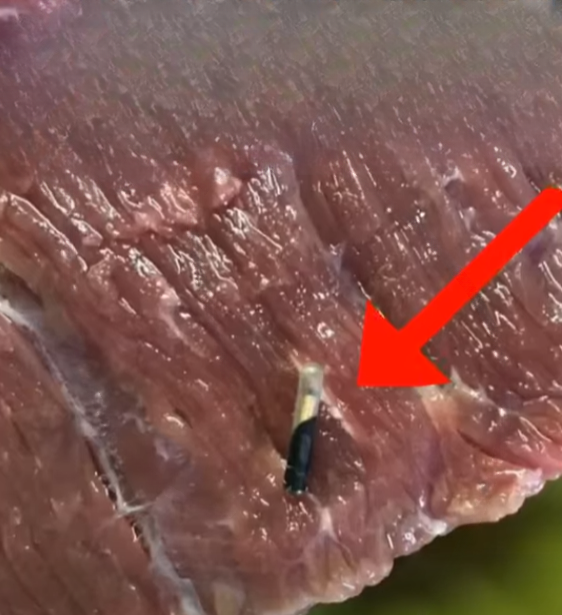
One unexpected discovery involving a package of fresh beef offers a useful reminder about the importance of checking food products carefully. In this reported experience, the meat appeared normal while it was still inside its packaging. The concern only became apparent later, during preparation at home, when an unusual hard object was reportedly found inside the meat.
The specific object and its origin were not independently established in the account. Nevertheless, the situation raises an important topic: how consumers can recognize possible food quality concerns, handle suspicious products, and report problems responsibly.
Why Familiar Shopping Habits Can Lead to Missed Details
Many households develop regular grocery shopping routines. People often visit the same stores, purchase familiar brands, and select products quickly because they have bought similar items many times before.
These habits make shopping convenient, but they can also encourage people to pay less attention to individual packages.
A product may look acceptable from the outside while still requiring closer inspection. Packaging can sometimes conceal problems, and not every issue is immediately visible through plastic film or a retail label.
In the reported incident, the package of beef appeared undamaged. There was no obvious leakage or unusual swelling, and the meat looked normal before it was opened.
The concern reportedly became noticeable only when the person began preparing the beef and encountered unexpected resistance while cutting through part of it.
This illustrates why checking food should not end when a product is selected at the supermarket. Careful handling and observation at home are also important parts of everyday food safety.
Understanding the Different Types of Food Contamination
Food safety concerns are commonly grouped into three broad categories: biological, chemical, and physical contamination.
Each category presents different risks and requires different preventive measures.
Biological contamination involves harmful microorganisms, including certain bacteria, viruses, and parasites. Raw meat can carry pathogens that may cause foodborne illness if it is handled or cooked improperly.
Chemical contamination can involve substances that should not be present in food at unsafe levels. Examples may include cleaning chemicals, certain pesticides, or other chemical residues.
Physical contamination occurs when unwanted materials enter food. Depending on the circumstances, these materials may include hard plastic, metal fragments, glass, or bone pieces.
Physical contaminants deserve attention because they can cause injuries such as cuts inside the mouth, damaged teeth, or choking. Their presence does not necessarily indicate how or where contamination occurred, so the product and circumstances should be examined appropriately.
How Foreign Materials Can Enter Food Products
Commercial food production involves many stages, from the initial handling of raw ingredients to cutting, processing, packaging, transportation, and storage.
Equipment and materials used throughout these stages must be maintained and monitored. However, no production system can be assumed to be completely free of errors.
Potential sources of physical contamination can include several areas.
Processing Equipment
Industrial facilities use cutting tools, conveyors, grinders, and other machinery to process meat. Equipment must be inspected and maintained to reduce the possibility of damaged components entering food.
If a component becomes worn or breaks, appropriate procedures are needed to identify and address the problem.
Packaging Materials
Plastic films, containers, fasteners, and other packaging materials are used to protect products during storage and transportation.
Damaged packaging or handling problems can sometimes create opportunities for unwanted materials to enter a product.
Handling and Transportation
Food passes through multiple stages before reaching a supermarket. Products may be handled by different workers and transported using specialized equipment.
Proper hygiene, suitable packaging, temperature control, and routine inspections help reduce risks throughout this process.
It is important to remember that finding an unusual object does not automatically reveal where it originated. Identifying the source may require an investigation involving the retailer, manufacturer, or relevant food safety authority.
Five Practical Checks When Buying Fresh Meat
Consumers do not need to spend a long time inspecting every grocery item. However, a few simple habits can help identify obvious problems before products are taken home.
1. Check the packaging
Look for torn plastic, broken seals, leaks, or damaged containers. Avoid purchasing packages that appear compromised.
Unusual swelling in packaging should also be treated as a reason for caution, although packaging characteristics can vary depending on the product and storage method.
2. Pay attention to refrigeration
Fresh meat should be kept properly chilled. Choose products from refrigerated displays that appear to be operating correctly.
If a display seems unusually warm or the meat does not appear to have been stored appropriately, consider selecting another product and informing store staff.
3. Examine the product’s appearance
Fresh meat can naturally vary in color depending on the type of meat, packaging, and storage conditions. Color alone cannot reliably establish whether a product is safe.
Look for obvious signs of spoilage or damage, and follow the storage and use-by information on the package.
4. Inspect the meat during preparation
Use good lighting when opening and preparing raw meat. Pay attention to unexpected hard objects, unusual resistance, or materials that do not appear to belong in the product.
If something suspicious is found, stop preparing the meat rather than attempting to ignore or remove the concern without assessing it.
5. Do not rely on smell alone
An unpleasant odor can be a warning sign, but food that contains harmful bacteria does not always smell or look unusual.
For that reason, proper refrigeration, safe handling, package information, and recommended cooking temperatures remain important even when meat appears normal.
What to Do If You Discover Something Unusual
Finding a foreign object or another concerning defect in food can be unpleasant. However, taking a few organized steps can help protect consumers and provide useful information to the people responsible for investigating the complaint.
Stop Using the Product
If an unfamiliar object or suspected contamination is discovered, stop preparing and serving the food.
Do not taste the product to determine whether it is safe. If any portion has already been eaten and someone develops concerning symptoms or may have been injured, seek appropriate medical advice.
Keep the Packaging
Whenever possible, retain the original packaging and product information.
Labels may contain details such as the brand, product name, lot or batch number, establishment information, and use-by date. These details can help a retailer or manufacturer identify the product and investigate whether other packages may be affected.
Keep the receipt if it is available.
Document What You Found
Photographs can help explain the concern. Take clear pictures of the object, the affected product, and the package label.
Avoid handling a potentially sharp or contaminated object unnecessarily. If preserving it is appropriate, follow instructions from the retailer or relevant authority.
Contact the Store
The supermarket where the product was purchased should be informed.
A store manager or customer service department may request photographs, packaging details, and information about the purchase. The retailer can then determine how to refer the complaint to the supplier or manufacturer.
Report Serious Concerns to the Appropriate Authority
If the issue appears significant or cannot be resolved through the retailer, consumers may contact the relevant food safety authority in their area.
Reporting procedures differ between countries. In the United States, meat and poultry safety concerns may fall under the responsibility of the USDA Food Safety and Inspection Service, while other food products may be handled by different agencies.
Consumers should use the appropriate reporting service for the country where the product was purchased.
Safe Storage and Handling at Home
Food safety continues after groceries arrive at home. Proper storage and kitchen hygiene help reduce the risk of foodborne illness.
Fresh meat should be refrigerated promptly rather than left at room temperature for extended periods.
For household refrigerators, a temperature of 40°F (4°C) or below is generally recommended. Raw meat should be stored in a way that prevents its juices from leaking onto other foods.
If the product will not be used within the recommended refrigerated storage period, freezing may be appropriate. Follow reliable food storage guidance for the specific type of meat rather than assuming every product has the same shelf life.
Cross-contamination is another important concern.
Raw meat should be kept separate from ready-to-eat foods, vegetables, and cooked dishes. Use separate cutting boards when possible, or thoroughly wash and sanitize food preparation surfaces between tasks.
Hands, knives, utensils, and countertops should also be cleaned after contact with raw meat.
These precautions help prevent bacteria from spreading to foods that may not receive further cooking.
Cooking Meat at the Correct Temperature
Cooking is an important part of preventing foodborne illness, but different types of meat require different minimum internal temperatures.
Using a food thermometer is more reliable than judging doneness by color or appearance.
For example, the USDA recommends an internal temperature of 145°F (63°C), followed by a three-minute rest, for whole cuts of beef, pork, lamb, and veal. Ground beef should reach 160°F (71°C).
Other meat products, including poultry, have different temperature recommendations.
Consumers should check the appropriate food safety guidance for the product they are preparing and measure the temperature in the thickest part of the meat.
Proper cooking helps control biological hazards, but it should not be treated as a solution for every possible contamination problem. Food containing an unidentified foreign object should not simply be cooked and served.
Why Consumer Reports Matter
When a shopper reports a possible food safety problem, the information may help retailers and manufacturers identify issues that would otherwise go unnoticed.
Details such as the purchase location, product label, batch number, and photographs can help investigators trace the product through the supply chain.
A single complaint does not automatically prove that a widespread problem exists. However, documented reports can provide useful evidence when several similar concerns are received.
Retailers and manufacturers may use these reports to review inventory, inspect products, contact suppliers, or determine whether further action is necessary.
Consumers also benefit because reporting creates an opportunity for concerns to be reviewed rather than remaining isolated experiences.
Making Food Safety Part of Everyday Life
The reported discovery inside a package of fresh beef highlights an important point: food safety is a shared responsibility.
Producers, processors, transportation companies, retailers, regulators, and consumers all have roles in keeping food safe. Commercial standards and inspection procedures are essential, but careful handling at home remains important.
Checking packaging, maintaining proper refrigerator temperatures, preventing cross-contamination, and using a food thermometer are practical habits that can make a difference.
Consumers should also remember that appearance and smell cannot guarantee that food is safe. When a product appears damaged, has been stored incorrectly, or contains an unfamiliar object, it is better to stop using it and seek guidance.
Grocery shopping should not become a source of unnecessary worry. Most people can continue buying and preparing fresh food confidently by following established safety practices and paying reasonable attention to the products they purchase.
A little awareness, combined with proper storage and responsible reporting, helps protect households and supports a safer food supply for everyone.