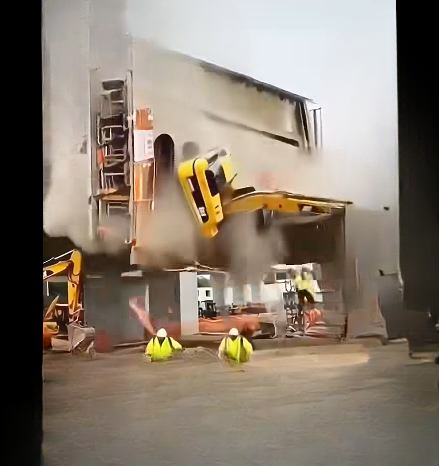
The Sampoong Department Store and Rana Plaza disasters are not isolated incidents; they represent broader patterns of risk inherent in rapid urbanization and industrialization. Around the world, cities and developing nations face similar pressures: growing populations, increasing demand for housing and commercial spaces, and the relentless drive for economic growth. When speed and profit are prioritized over planning and safety, the results can be catastrophic.
Urban centers in emerging economies often mirror some of the circumstances seen in Seoul in the 1980s or Dhaka in the early 2010s. Construction companies may cut corners, officials may turn a blind eye, and workers may be compelled to operate under unsafe conditions. The combination of weak regulation, high demand, and limited public oversight creates a perfect storm for structural failures. Both Sampoong and Rana Plaza underscore the need for proactive risk management and stricter enforcement of building codes.
Regulatory Oversight and Governance
A recurring theme in both tragedies is regulatory failure. In South Korea, inspections were either ignored or inadequately performed. Bribery and corruption allowed unsafe practices to continue unchecked, while government officials often lacked the authority or political will to enforce compliance. Similarly, in Bangladesh, regulatory agencies tasked with ensuring factory safety faced systemic limitations, from insufficient staffing to lack of enforcement powers.
These gaps highlight a critical lesson: building codes and safety regulations alone are insufficient without robust enforcement mechanisms. Independent oversight agencies, free from political and economic pressures, are essential. Furthermore, transparency in inspections, reporting, and accountability can empower citizens and workers to demand compliance. The disasters reveal that structural integrity is as much a governance challenge as it is an engineering one.
Corporate Responsibility and Ethics
Corporate negligence played a central role in both Sampoong and Rana Plaza. In Seoul, the building’s owner prioritized commercial interests over structural safety, disregarding warnings from engineers and contractors. In Bangladesh, factory owners pushed employees to work despite visible cracks and signs of imminent collapse, driven by global demand and contractual obligations to multinational brands.
The ethical dimension cannot be overstated. Both tragedies illustrate the human cost of short-term financial gain. Multinational corporations sourcing products globally bear responsibility to ensure that their supply chains meet safety and ethical standards. The Rana Plaza collapse prompted widespread reforms, including the Accord on Fire and Building Safety in Bangladesh, a legally binding agreement between brands and trade unions aimed at improving working conditions and structural safety.
Cultural and Societal Pressures
Beyond regulation and corporate ethics, cultural norms and societal pressures also contributed to these disasters. In South Korea, rapid modernization and the pursuit of national prestige often overshadowed individual safety concerns. Economic growth was prioritized, and dissenting voices raising safety concerns were frequently ignored. In Bangladesh, socio-economic conditions compelled workers—predominantly young women from rural areas—to accept dangerous conditions in order to support their families.
Understanding these cultural contexts is crucial for preventing future tragedies. Safety protocols must be accompanied by community engagement and education, empowering citizens to recognize and challenge unsafe conditions without fear of retaliation. Economic development cannot be an excuse for neglecting human life.
Engineering Lessons: Preventing Collapse
From a technical standpoint, both disasters offer key lessons in structural engineering:
- Load-Bearing Awareness: Modifying a building’s intended purpose or design without recalculating load limits can compromise structural integrity. In Sampoong, removing columns for escalators was a critical error. In Rana Plaza, the addition of heavy machinery on upper floors without proper support contributed to the collapse.
- Material Quality and Testing: Using substandard concrete, steel, or other materials weakens buildings. Routine testing and certification are non-negotiable to ensure that materials meet safety standards.
- Monitoring and Maintenance: Regular inspections and immediate response to visible cracks or stress points can prevent catastrophic failure. In both Sampoong and Rana Plaza, warning signs were ignored until it was too late.
- Emergency Preparedness: Evacuation protocols, emergency alarms, and accessible exit routes can save lives even when structural failure is imminent. The absence of such measures in both disasters dramatically increased fatalities.
Psychological and Societal Impact
The human toll of structural disasters extends far beyond physical injuries. Survivors often experience long-term psychological trauma, including post-traumatic stress disorder (PTSD), anxiety, and depression. Families lose loved ones, communities lose livelihoods, and public trust in institutions can be severely eroded.
In South Korea, Sampoong left a lasting imprint on the collective consciousness, prompting legal reforms and heightened awareness of urban safety. In Bangladesh, Rana Plaza became a symbol of labor exploitation and global supply chain responsibility, sparking international advocacy and consumer awareness campaigns. Both tragedies reveal that the social impact of structural failures is profound, shaping policies, culture, and societal expectations for decades.
Lessons for Future Urban Development
Modern urban planners and policymakers can derive several actionable lessons from these incidents:
- Integrate Safety Early: Safety must be a foundational consideration in every stage of urban planning, from initial design to construction and operation. Modifications to original plans require rigorous structural reassessment.
- Strengthen Oversight: Governments must create and empower independent regulatory bodies to enforce building codes and occupational safety standards. Regular audits and accountability mechanisms are essential.
- Educate Workers and Citizens: Public awareness campaigns can equip individuals with knowledge to recognize unsafe conditions, empowering them to demand safer workplaces and living spaces.
- Corporate Due Diligence: Companies, especially those operating across borders, must actively audit their suppliers and enforce compliance with ethical and safety standards. Financial incentives should never override human safety.
- International Collaboration: Global cooperation is vital in industries with complex supply chains. Sharing best practices, safety standards, and technical expertise can prevent future tragedies, particularly in rapidly industrializing nations.
Symbolism and Memory
The sites of these disasters have since been memorialized, serving both as warnings and as places of remembrance. Sampoong’s site has been redeveloped, yet memorials honor the lives lost and remind the public of the consequences of negligence. Similarly, Rana Plaza remains a symbol of global labor rights advocacy, with annual commemorations and ongoing campaigns for safer workplaces.
These physical reminders underscore the importance of memory in shaping policy and culture. They ensure that the lessons learned are not forgotten and continue to influence safety standards, urban planning, and ethical practices worldwide.
The Role of Media in Accountability
Media coverage played a critical role in both disasters. In South Korea, investigative journalism uncovered the systemic corruption and negligence contributing to the Sampoong collapse. In Bangladesh, international media exposure of Rana Plaza prompted immediate global attention, pressuring brands and governments to act.
The media’s ability to highlight failures, human stories, and systemic issues underscores its importance in accountability. Continuous coverage ensures that public awareness drives regulatory and corporate reform, reinforcing a culture of vigilance and responsibility.
Conclusion: Vigilance, Ethics, and Human Safety
The Sampoong Department Store and Rana Plaza disasters demonstrate that structural failures are rarely the result of a single mistake. They are the culmination of negligence, systemic weaknesses, and ethical lapses. Yet, they also provide invaluable lessons for preventing future tragedies.
Urbanization, industrial growth, and economic development are inevitable in a rapidly changing world. However, these processes must be guided by principles of safety, transparency, and human-centered ethics. Governments, corporations, and communities share a collective responsibility to prioritize life over profit, diligence over expedience, and accountability over convenience.
As cities expand and industries evolve, the legacy of Sampoong and Rana Plaza serves as a powerful reminder: human safety is the ultimate measure of progress. Every decision—from design and construction to regulation and labor practices—carries moral and practical implications. By remembering the lives lost and the systemic failures that enabled these disasters, societies can chart a path toward safer, more ethical, and more resilient urban and industrial landscapes.
Toward a Safer Future: Systems, Policies, and Culture
The tragedies of Sampoong and Rana Plaza underline that safety is not solely an engineering concern—it is a systemic issue that spans governance, corporate ethics, and societal values. Structural integrity depends as much on human decision-making as on materials or design. Urban planners, architects, regulators, and business leaders must collectively foster a culture where safety is non-negotiable.
One key takeaway is the importance of early intervention and preventive action. Visible cracks, overloading, or other warning signs must trigger immediate inspections and, if necessary, evacuations. Both disasters demonstrate that delays in response can have catastrophic consequences. Instituting mandatory, independent inspections, with strict penalties for non-compliance, creates a deterrent against negligence.
Worker and citizen empowerment is equally vital. Educating employees about their rights and safety standards gives them the tools to report unsafe conditions without fear. In Bangladesh, the global attention on Rana Plaza led to initiatives like safety training programs and whistleblower protections, showing how advocacy and awareness can translate into practical change.
Global supply chain responsibility is another lesson. Corporations sourcing goods internationally must take proactive steps to ensure that their suppliers adhere to rigorous safety standards. Profit margins cannot justify compromises in human life. Accountability frameworks, such as legally binding accords or third-party audits, provide mechanisms to enforce these standards effectively.
Finally, the cultural shift toward valuing human life over expedience is essential. Urbanization and industrial growth will continue worldwide, but progress should not come at the cost of preventable tragedies. Sampoong and Rana Plaza serve as enduring reminders that vigilance, ethics, and responsibility must guide every stage of construction, inspection, and labor management. By embedding these principles into policy, corporate practice, and public consciousness, societies can honor the memory of those lost while building safer, more resilient cities and workplaces for future generations.