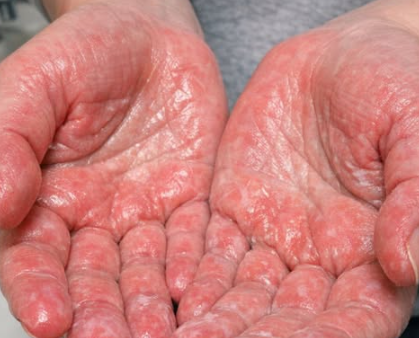
Experiencing a burning sensation when applying lotion can be distressing, especially when you cannot access medical advice right away. While it may seem like a minor inconvenience, this symptom can signal underlying issues with your skin or even an allergic reaction that needs careful attention. Understanding what may cause the burning, how to respond safely at home, and when to seek professional help is crucial for protecting your skin and overall health.
In this article, we provide a thorough guide on how to manage burning sensations caused by lotions or creams, steps for avoiding further irritation, and ways to protect your skin until you can consult a healthcare professional. We also discuss potential causes, safe home remedies, and warning signs that indicate the need for urgent medical care.
1. Stop Using Anything That Causes Burning Immediately
The first and most important step is to discontinue using the lotion or any product that triggers the burning. Continuing to apply the product can worsen irritation, increase redness, and potentially damage the skin barrier.
It’s also essential to review other products that come in contact with your hands, such as:
- Hand soaps
- Sanitizers
- Dishwashing detergents
- Household cleaners
These may contain similar ingredients that could contribute to irritation. Removing potential triggers allows your skin time to recover and reduces the risk of complications.
2. Rinse and Cleanse Gently
Once you notice burning, rinse your hands immediately with lukewarm water to remove any remaining lotion. Avoid hot water, which can further irritate the skin.
After rinsing, use a mild, fragrance-free cleanser to remove residual chemicals. Avoid scrubbing, as excessive friction can worsen irritation. Pat your hands dry gently with a soft towel instead of rubbing.
This process helps minimize the burning sensation, reduces the risk of further inflammation, and prepares your skin for protective care.
3. Identify Common Irritants in Your Lotion
Review the ingredients list on the lotion packaging. Certain components are known to cause irritation or allergic reactions, including:
- Fragrances: Scented products often contain chemicals that irritate sensitive skin.
- Alcohol: Can dry out the skin and exacerbate burning.
- Acids (AHAs and BHAs): Alpha- or beta-hydroxy acids can be harsh on compromised skin.
- Retinoids: Effective for anti-aging but can cause burning on sensitive hands.
If any of these are present, avoid similar products in the future. Opt for fragrance-free, alcohol-free lotions formulated for sensitive skin.
4. Switch to a Gentle, Barrier-Repair Moisturizer
Until you can see a healthcare professional, switch to a plain, unscented moisturizer designed to repair the skin barrier. Key ingredients to look for include:
- Ceramides: Restore the skin’s protective barrier
- Hyaluronic acid: Retains moisture and soothes dryness
- Glycerin: Draws water into the skin without causing irritation
Apply the moisturizer gently after washing, while the skin is still slightly damp, to lock in hydration. Consistent use supports skin healing and reduces the risk of further irritation.
5. Protect Your Hands from Further Irritation
Until the burning sensation subsides, minimize exposure to irritants. Some practical tips include:
- Wear gloves when washing dishes or cleaning
- Avoid harsh soaps; use mild, hydrating hand washes
- Reapply a gentle moisturizer after every wash
- Limit prolonged contact with water or chemicals
By creating a protective barrier, you help prevent additional damage and allow your skin to repair itself naturally.
6. Soothe the Burning Sensation Safely
To relieve discomfort at home, try these measures:
- Cool compresses: Soak a clean cloth in cold water and place it on your hands for 10–15 minutes.
- Over-the-counter hydrocortisone cream: Can reduce inflammation or itching if redness is present, but use sparingly.
Avoid using home remedies like vinegar or essential oils directly on inflamed skin, as these can worsen irritation.
7. Recognize the Difference Between Irritation and Allergy
Understanding the nature of your reaction is crucial:
- Irritation: Burning without swelling, itching, or blisters
- Allergic reaction: May include redness, swelling, itching, hives, or blistering
Keeping track of your symptoms and when they occur can help a healthcare provider diagnose the problem accurately once you can consult them.
8. Burning as a Sign of a Compromised Skin Barrier
A burning sensation can indicate a damaged skin barrier, especially if your hands feel dry, tight, or flaky. The skin barrier is your body’s first line of defense against irritants and moisture loss.
To repair a compromised barrier:
- Use thick emollients such as shea butter, lanolin, or petrolatum
- Avoid products that strip natural oils
- Moisturize consistently, even when the skin feels less dry
Supporting your skin barrier can reduce burning, dryness, and sensitivity over time.
9. Consider Eczema, Contact Dermatitis, or Infection
Persistent burning may indicate conditions such as:
- Eczema (Atopic Dermatitis): Red, itchy, inflamed patches
- Contact Dermatitis: Reaction to an irritant or allergen
- Infection: Warmth, swelling, pus, or increasing pain
If any signs of infection appear, seek medical attention promptly. These conditions may require prescription treatments for proper healing.
10. Red-Flag Symptoms That Require Urgent Care
Seek immediate medical help if you notice:
- Severe swelling or blistering
- Open sores or cracks that bleed
- Spreading redness or warmth
- Difficulty breathing or throat tightness
These may indicate a serious allergic reaction or infection, including anaphylaxis, which is life-threatening and requires urgent care.
11. Document Symptoms for Future Medical Consultation
Keeping detailed records can assist your healthcare provider in diagnosing the issue:
- Note the time and date when symptoms started
- Record products used and ingredients
- Take clear photos to show changes over time
- Document any other symptoms, such as itching, swelling, or rash
Accurate documentation can save time, help identify triggers, and guide effective treatment.
12. Additional Tips for Sensitive Skin
For ongoing protection and prevention:
- Choose unscented, hypoallergenic products
- Avoid excessive hand washing or harsh scrubbing
- Use protective gloves for chores or cleaning
- Apply moisturizer multiple times daily, especially after handwashing
- Consider using hand creams with ceramides or protective ointments at night
These measures reduce the likelihood of recurrence and maintain a healthy skin barrier.
13. Why Early Intervention Matters
Early care is critical. Left untreated, burning and irritation can:
- Lead to secondary infections
- Worsen skin sensitivity
- Cause chronic dryness or cracking
- Impact your daily life and comfort
Acting promptly and using gentle, barrier-supporting products helps prevent long-term issues and promotes faster healing.
14. Mental and Emotional Considerations
Skin discomfort can affect daily routines, confidence, and mental well-being. Burning hands may interfere with:
- Cooking or cleaning
- Typing or work-related tasks
- Social activities
It is important to manage the physical symptoms while also reducing stress, which can exacerbate skin conditions like eczema. Techniques like relaxation exercises, stress management, and maintaining routine hand care can support recovery.
15. Preventive Measures for the Future
Once your skin recovers, consider these preventive strategies:
- Rotate hand creams to avoid constant exposure to a single irritant
- Test new products on a small area first
- Avoid scented soaps or lotions that may irritate sensitive skin
- Maintain hydration both internally (water intake) and externally (moisturizer)
These practices reduce the risk of future burning and irritation.
16. When to Seek Professional Guidance
Even if the burning improves with home care, consult a healthcare provider if:
- Symptoms persist beyond a week
- Redness, swelling, or irritation spreads
- You develop new symptoms such as blistering or rash
- You have a history of skin allergies or chronic skin conditions
A dermatologist or primary care physician can provide personalized treatment, including prescription creams or targeted interventions to restore skin health.
17. Conclusion
A burning sensation after applying lotion is a warning sign that should not be ignored. While waiting for professional advice, taking careful steps to stop irritants, protect your skin, and soothe discomfort is crucial. Using barrier-repair moisturizers, avoiding harsh chemicals, and monitoring symptoms can significantly reduce the risk of complications.
Remember: early attention prevents worsening, and documentation helps healthcare providers provide the best care. Your skin’s health is an essential part of overall well-being, and acting responsibly now can prevent long-term problems.
Even without immediate medical access, you can take meaningful steps to manage burning, protect your skin, and support recovery. By following these guidelines, you reduce risk and help your hands heal safely.