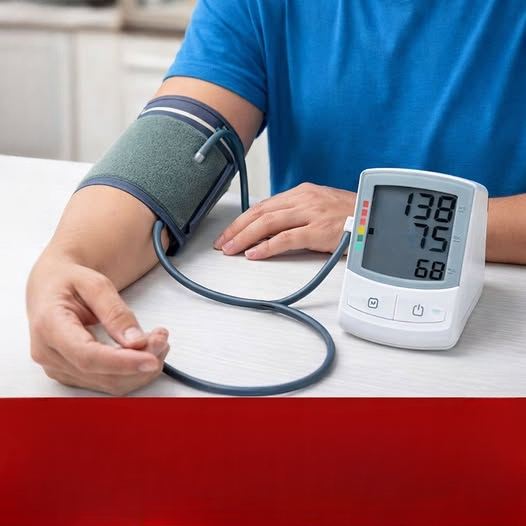
For decades, many people believed a simple rule about blood pressure: “Your normal blood pressure is 100 plus your age.” For example, a 40-year-old might be told that 140/90 is acceptable, while an older adult could be considered “fine” with even higher readings.
Although this idea has been widely circulated, it is no longer supported by modern medical science.
Today, major health organizations around the world agree on a very different approach: blood pressure should not be adjusted upward based on age.
Instead, consistent thresholds are used for adults of all ages because research shows that elevated blood pressure can damage the body regardless of age.
This article explains why age-based blood pressure rules are outdated, what current guidelines actually say, and how proper blood pressure management can significantly improve long-term health outcomes.
Understanding Blood Pressure: The Basics
Blood pressure is the force of blood pushing against the walls of your arteries as your heart pumps it through your body.
It is recorded using two numbers:
- Systolic pressure (top number): Pressure when the heart beats
- Diastolic pressure (bottom number): Pressure when the heart rests between beats
A typical healthy reading is often around:
- 120/80 mmHg (considered normal for most adults)
However, what matters most today is not age-based adjustment—but whether your blood pressure stays within healthy limits consistently.
The Old Belief: “Blood Pressure Rises Naturally With Age”
The idea that blood pressure should increase with age was once commonly accepted. It was based on the observation that many older adults naturally had higher readings.
This led to a simplified rule:
“Normal blood pressure = 100 + your age”
So, according to this outdated formula:
- A 30-year-old: 130/80
- A 50-year-old: 150/90
- A 70-year-old: 170/90
At the time, this was seen as a practical guideline. However, it was not based on strong clinical evidence showing what is actually safe for the body.
Over time, research revealed a critical issue: higher blood pressure is harmful at any age.
Why Medical Guidelines Have Changed
Modern guidelines from leading health organizations no longer use age-adjusted blood pressure targets. Instead, they rely on evidence from large-scale studies showing the long-term effects of hypertension.
Key organizations include:
- American Heart Association (AHA)
- European Society of Cardiology (ESC)
- World Health Organization (WHO)
These organizations agree on one central principle:
Blood pressure that is too high damages the cardiovascular system regardless of age.
This shift in thinking is based on decades of research linking high blood pressure to serious health conditions.
What High Blood Pressure Actually Does to the Body
High blood pressure (hypertension) is often called a “silent condition” because it usually has no symptoms in the early stages.
However, over time, it can cause significant damage to the body, including:
1. Heart Disease
Increased pressure forces the heart to work harder, leading to:
- Thickening of the heart muscle
- Increased risk of heart failure
- Higher likelihood of heart attacks
2. Stroke Risk
High pressure can damage blood vessels in the brain, increasing the risk of stroke.
3. Kidney Damage
The kidneys rely on delicate blood vessels, which can be damaged by long-term hypertension.
4. Vision Problems
Blood vessels in the eyes can also be affected, leading to vision impairment.
5. Artery Damage
High pressure contributes to hardening and narrowing of arteries (atherosclerosis).
These effects can occur at any age—not just in older adults.
Why Age Is No Longer a Factor in “Normal” Ranges
One of the most important changes in modern medicine is the removal of age-based blood pressure targets.
Why?
Because studies show:
- Younger people with high blood pressure still face long-term risks
- Older adults benefit from maintaining lower blood pressure
- “Higher acceptable limits” do not protect against damage
In fact, allowing higher blood pressure in older adults was found to increase the risk of:
- Stroke
- Heart failure
- Cognitive decline
As a result, medical experts concluded that blood pressure should be controlled consistently across all adult age groups.
Current Blood Pressure Categories (General Guidelines)
While exact targets may vary slightly depending on the guideline, a commonly used classification is:
- Normal: Below 120/80 mmHg
- Elevated: 120–129 / less than 80
- High Blood Pressure (Stage 1): 130–139 / 80–89
- High Blood Pressure (Stage 2): 140/90 or higher
- Hypertensive Crisis: 180/120 or higher (requires immediate care)
These categories apply broadly to adults regardless of age.
Why Lower Targets Save Lives
Clinical research has shown that lowering blood pressure—even slightly—can significantly reduce health risks.
Benefits include:
- Reduced risk of heart attack
- Lower chance of stroke
- Improved kidney health
- Better long-term survival rates
Even a small reduction in systolic pressure (for example, from 140 to 130) can have meaningful health benefits.
The Danger of Outdated Advice
Following outdated blood pressure rules can be risky because it may:
- Delay diagnosis of hypertension
- Reduce motivation for treatment
- Create a false sense of security
- Allow damage to progress silently
Because high blood pressure often has no symptoms, relying on “age-based normal” ranges can lead to missed warning signs.
Why Blood Pressure Increases in Some People With Age
While age itself is not a target for higher “normal” levels, it is true that blood pressure often rises over time due to factors such as:
- Natural stiffening of arteries
- Lifestyle habits over time
- Weight gain
- Reduced physical activity
- Chronic stress
- Dietary factors (especially high salt intake)
However, this does not mean it is healthy or acceptable—it simply means it becomes more common and requires attention.
Lifestyle: The Most Important Factor in Blood Pressure Control
Regardless of age, lifestyle has the strongest influence on blood pressure levels.
1. Diet
A healthy diet can significantly reduce blood pressure. Recommended approaches include:
- Reducing salt intake
- Eating fruits and vegetables
- Choosing whole grains
- Limiting processed foods
2. Physical Activity
Regular exercise helps:
- Strengthen the heart
- Improve circulation
- Lower resting blood pressure
3. Weight Management
Maintaining a healthy weight reduces strain on the cardiovascular system.
4. Stress Management
Chronic stress can contribute to elevated blood pressure over time.
5. Avoiding Smoking and Excess Alcohol
Both can increase blood pressure and damage blood vessels.
Monitoring Blood Pressure at Home
One of the most effective ways to manage blood pressure is regular monitoring.
Tips for accurate readings:
- Measure at the same time each day
- Sit quietly for a few minutes before measuring
- Avoid caffeine or exercise before testing
- Use a validated blood pressure monitor
Tracking readings over time helps identify trends early.
Why Regular Check-Ups Are Essential
Because high blood pressure often has no symptoms, routine medical check-ups are essential for early detection.
Healthcare providers can:
- Identify early signs of hypertension
- Adjust treatment if needed
- Monitor long-term trends
- Reduce risk of complications
The Role of Medication
In some cases, lifestyle changes alone may not be enough to control blood pressure. Doctors may prescribe medications to help manage it effectively.
Common types include:
- Diuretics
- ACE inhibitors
- Beta blockers
- Calcium channel blockers
Medication decisions are always individualized based on health needs.
Key Takeaway: Blood Pressure Has No “Age Exception”
The most important message from modern medical research is simple:
High blood pressure is harmful at any age.
There is no longer a “safe higher range” just because someone is older. Instead, consistent control and prevention are the focus of modern treatment guidelines.
Conclusion: Knowledge That Protects Long-Term Health
The outdated idea that blood pressure naturally increases to “acceptable” levels with age has been replaced by stronger scientific understanding.
Today’s medical consensus is clear: maintaining healthy blood pressure is important for everyone, regardless of age.
By focusing on:
- Regular monitoring
- Healthy lifestyle choices
- Early medical intervention
individuals can significantly reduce their risk of serious cardiovascular conditions.
Ultimately, blood pressure is not defined by age—it is defined by health.
And managing it properly remains one of the most effective ways to protect long-term well-being.