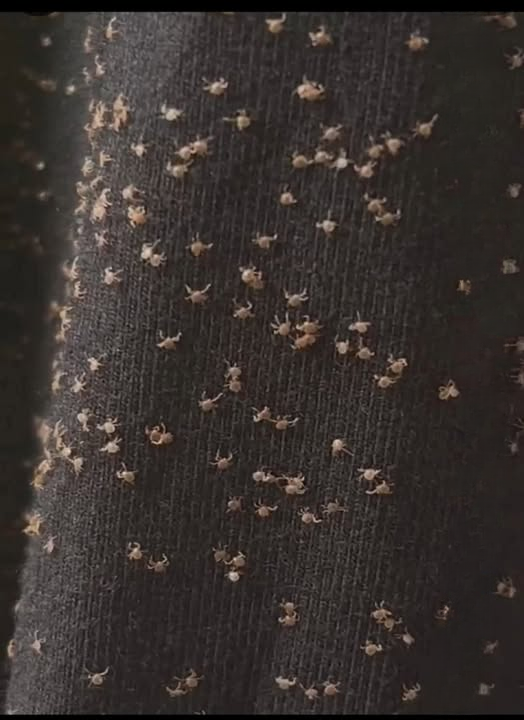
Have you ever returned from a peaceful walk outside, glanced down at your pants, and noticed dozens of tiny clingy bits attached to the fabric?
It can feel strange the first time it happens.
You go out for fresh air, a trail walk, or a casual stroll through a park, and everything seems normal. Then later, your pant legs are suddenly covered in little specks, burrs, or seed-like particles that were definitely not there before.
They seem to appear out of nowhere.
The good news is that the explanation is simple, natural, and surprisingly clever.
In many cases, those tiny hitchhikers are plant seeds designed to travel by attaching themselves to animals, shoes, socks, or clothing.
What looks annoying to us is actually a smart survival strategy created by nature.
Why Seeds Stick to Clothing
Plants cannot walk to a better location. They cannot pick themselves up and move toward sunlight, richer soil, or open space.
So many plants evolved other ways to spread.
Some rely on:
- Wind
- Water
- Birds
- Animals
- Human movement
- Explosive seed pods
- Gravity
The seeds found on pant legs usually belong to plants that use contact-based travel.
When something brushes against the plant—fur, feathers, or fabric—the seed attaches and gets carried somewhere new.
This process helps the plant spread beyond the place where it originally grew.
Nature’s Version of Velcro
Many clingy seeds stick because of their structure.
Some have:
- Tiny hooks
- Barbs
- Fine hairs
- Prickly edges
- Rough surfaces
- Slightly sticky coatings
These features allow them to grab onto fibers in clothing, pet fur, shoelaces, or backpacks.
The effect is similar to Velcro: small hooks catching loops in fabric.
In fact, one of the famous inspirations for Velcro came from observing burrs stuck to clothing and animal fur.
What feels like a nuisance is also an impressive piece of natural engineering.
Common Plants That Create Clothing Hitchhikers
Different regions have different species, but several plants are well known for leaving seeds on people after outdoor walks.
Beggar’s Lice
Flat seeds that cling tightly to fabric and fur.
Burdock
Round burrs with hook-like structures.
Cleavers (Goosegrass)
A sticky-feeling plant with tiny clinging hairs.
Sandbur
Sharp, spiky seed heads common in grassy areas.
Cocklebur
Larger burrs with strong hooks.
Foxtail and Similar Grasses
Can shed pieces that cling or tangle in clothing.
These plants are especially common near trails, field edges, vacant lots, tall grass, and wooded areas.
Why It Happens More on Pant Legs
Pant legs are one of the most common places for seeds to attach because they are closest to the plants.
As you walk through grass or brush, the lower part of your clothing brushes directly against stems and seed heads.
That contact gives seeds the perfect opportunity to latch on.
Other common places include:
- Socks
- Shoelaces
- Jacket sleeves
- Pet fur
- Backpack straps
- Gloves
Loose or textured fabrics may collect more than smoother materials.
Best Places to Find These Seeds
You are more likely to pick up hitchhiking seeds in areas such as:
- Nature trails
- Parks with tall grass
- Fields
- Forest edges
- Overgrown sidewalks
- Untended lots
- Hiking paths
- Garden borders
Late summer and autumn are often peak seasons in many areas because plants release mature seeds during these times.
However, it can happen whenever seed-bearing plants are present.
Are They Harmful?
Most clingy plant seeds are more annoying than dangerous.
They usually do not harm clothing or skin, though some spiky types may feel uncomfortable if trapped in socks or touched with bare hands.
Main concerns may include:
- Irritation from prickly burrs
- Seeds spreading indoors
- Tangling in pet fur
- Minor fabric snagging
- Mess during removal
Some sharp seeds can be uncomfortable for pets, so checking animals after walks is a good habit.
How to Remove Seeds From Clothing
Removing them is usually easy with the right method.
Lint Roller
Great for many small seeds and fuzzy particles.
Tape
Press sticky tape onto the fabric and lift.
Fine-Tooth Comb
Useful for stubborn burrs or pet fur.
Brush by Hand
Works for larger seeds.
Shake Clothing Outdoors
Helps avoid bringing seeds inside.
Laundry Wash
A wash cycle can remove lingering fragments.
For delicate fabrics, remove carefully to avoid pulling threads.
Why You Should Remove Them Outside
If possible, clean clothing before entering the house.
Why?
Because seeds that fall off indoors may end up in:
- Carpets
- Pet bedding
- Entryways
- Laundry baskets
- Furniture fabric
While many will not grow indoors, they can still create extra mess and be harder to clean later.
A quick brush-off outdoors saves effort.
Don’t Forget to Check Pets
Dogs and other outdoor pets often collect more hitchhiking seeds than people do.
Their fur can trap burrs easily, especially around:
- Legs
- Belly fur
- Tail
- Ears
- Paws
- Collar area
After walks, a quick check can prevent discomfort and reduce seeds brought into the home.
Long-haired pets may need extra attention.
A Clever Lesson From Nature
What seems like a small inconvenience is actually a brilliant example of evolution.
These plants developed a way to move their offspring without wheels, wings, or human help. They simply wait beside a trail until something passes by.
Then they hitch a ride.
That strategy helps plants colonize new spaces, avoid overcrowding, and improve their chances of survival.
Tiny seeds on your pants are evidence that nature is constantly solving problems in creative ways.
How to Reduce It Next Time
If you want fewer clingy surprises after a walk, try:
- Staying on clear paths
- Avoiding tall dry grass
- Wearing smoother fabrics
- Checking clothing before getting in the car
- Brushing off pant legs outdoors
- Keeping pets groomed after walks
You may still collect a few, but usually fewer than before.
Why People Find It So Surprising
Many people know about flowers, leaves, and trees—but not seed dispersal.
So when seeds suddenly appear on clothing, it feels mysterious.
The truth is that plants are doing exactly what they evolved to do.
Once you understand that, the experience becomes less confusing and more interesting.
Final Thoughts
Those tiny clingy bits on your pant leg after walking outside are often plant seeds using a smart natural strategy to spread to new places. With hooks, hairs, or sticky surfaces, they attach to clothing and hitch a ride wherever you go.
What feels like a minor nuisance is actually a clever survival system built by nature.
So the next time you come home covered in burrs or stickseeds, you may still want a lint roller—but you’ll also know you just participated in one of nature’s oldest travel methods.