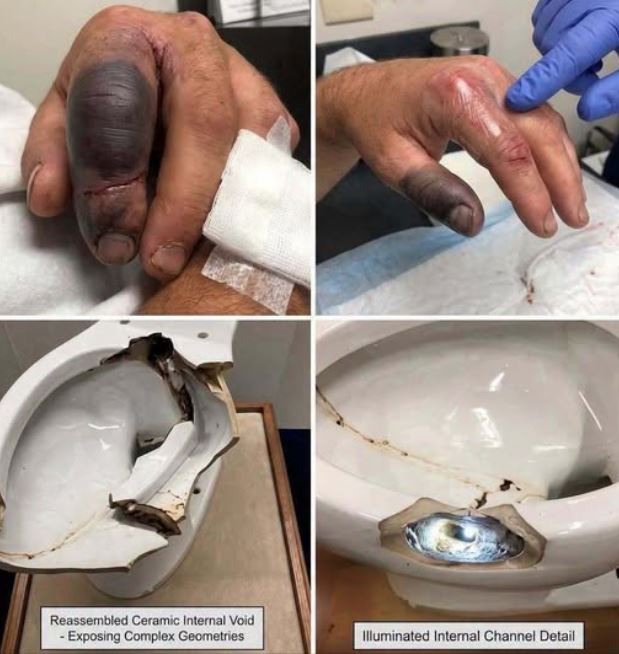
A bathroom is one of the most frequently used spaces in any home. People generally expect toilets, sinks, and other fixtures to remain dependable during everyday use. However, certain types of damage can turn an ordinary household fixture into an unexpected safety hazard.
One example is a cracked ceramic toilet.
Although toilets are designed to withstand regular use, the material used to manufacture them is relatively brittle. A damaged toilet bowl or base may become weaker over time, particularly when exposed to pressure, movement, or additional impact.
What makes this problem particularly concerning is that some cracks are difficult to notice immediately. A toilet may appear perfectly functional even when its structural integrity has been compromised.
Understanding the warning signs, possible causes, and appropriate safety precautions can help homeowners prevent accidents and protect everyone in the household.
Why Ceramic Toilets Can Become Dangerous
Most traditional toilets are manufactured using vitreous china, a type of ceramic material that is widely appreciated for its durability, smooth surface, and resistance to moisture.
This material is suitable for bathroom environments because it is easy to clean and can withstand years of ordinary use.
However, ceramic has an important limitation: it is brittle.
Unlike certain materials that bend under pressure, ceramic can fracture when exposed to concentrated force or sudden impact.
Several situations may contribute to damage, including:
- Accidental impacts from heavy objects.
- Improper installation or inadequate support.
- Excessive tightening of mounting bolts.
- Structural movement beneath the toilet.
- Temperature changes that contribute to existing damage.
- Normal deterioration combined with previous impacts.
A small crack may initially appear insignificant, but it can indicate that the material has become structurally compromised.
If the damaged area continues to experience pressure, the crack may expand and eventually lead to a larger fracture.
What Happens When a Toilet Bowl Breaks?
A damaged toilet does not always fail immediately. Sometimes, cracks remain visible for an extended period without causing an obvious problem.
However, once ceramic reaches its breaking point, the material can separate suddenly.
Unlike flexible materials, broken porcelain may produce sharp and irregular edges.
If a toilet breaks while someone is using it, the resulting fragments may cause serious cuts to the legs, thighs, or other nearby body areas.
The severity of an injury depends on several factors, including the location of the fracture, the size of the broken pieces, and the circumstances surrounding the accident.
Deep cuts can damage blood vessels, muscles, and other tissues. Significant bleeding may require immediate emergency treatment.
This is why a cracked toilet should never be treated as a minor cosmetic problem.
Warning Signs That Should Never Be Ignored
Recognizing damage early is one of the most effective ways to reduce the risk of an accident.
Homeowners should pay attention to several warning signs.
1. Visible Cracks in the Ceramic
The most obvious indication of damage is a visible crack.
Cracks may develop around the bowl, near the base, or in other areas of the fixture.
Some are easy to identify, while others may appear as thin lines that are difficult to distinguish from surface marks.
Any suspected structural crack should be taken seriously.
Avoid using the toilet until a qualified professional has assessed the damage.
2. Water Leaking Around the Base
Water appearing around the bottom of a toilet may indicate a problem with the wax seal, connection, or surrounding plumbing.
Although not every leak means the ceramic is damaged, unexplained moisture should be investigated.
A leaking toilet can also damage flooring and contribute to mold growth if the problem continues.
If the ceramic itself is cracked, water may escape through the damaged area.
3. A Toilet That Moves or Rocks
A properly installed toilet should remain stable during normal use.
If the fixture moves from side to side or rocks when pressure is applied, something may be wrong with its installation or supporting structure.
Possible causes include loose mounting hardware, an uneven floor, or deterioration around the toilet flange.
Continued movement can place additional stress on the ceramic.
Do not attempt to solve the problem simply by tightening the bolts. Excessive pressure can make ceramic damage worse.
4. Unusual Sounds or Changes
Cracking sounds, unexpected movement, or changes in the way a toilet sits on the floor may indicate an underlying problem.
These symptoms do not automatically mean the fixture is about to break, but they deserve investigation.
If the toilet suddenly becomes unstable, stop using it and arrange a professional inspection.
Why Small Cracks Can Become Bigger Problems
A ceramic crack can behave differently depending on its location and the amount of stress affecting the damaged area.
For example, a crack near a mounting point may experience repeated pressure whenever the toilet is used.
Over time, this pressure may contribute to further separation of the material.
The problem can become more complicated when the toilet is installed on an uneven surface.
If the fixture does not receive proper support, weight may become concentrated in certain areas rather than being distributed evenly.
This can increase stress on already weakened ceramic.
For this reason, homeowners should not assume that a toilet is safe simply because it has not broken yet.
A damaged fixture should be evaluated before anyone continues using it.
What Should You Do If Your Toilet Is Cracked?
If you discover a crack in your toilet, the safest response is to stop using the fixture.
Do not sit on it to test whether it remains stable.
Avoid placing additional weight on the bowl, tank, or rim.
You should also avoid attempting household repairs using ordinary adhesives, sealants, or tightening methods.
These products may temporarily conceal visible damage, but they cannot reliably restore the original structural strength of broken ceramic.
Instead, contact a qualified plumber who can determine whether the toilet requires replacement or whether another installation problem is responsible.
In most cases involving structural cracks, replacing the damaged fixture is the safest option.
What to Do If a Toilet Breaks and Someone Is Injured
A broken toilet can create an immediate medical emergency, particularly when sharp fragments cause deep cuts.
If an accident occurs, personal safety should come first.
Follow these precautions:
- Move away from the broken fixture and avoid stepping on ceramic fragments.
- Call emergency services if someone has a serious injury or significant bleeding.
- Apply firm, steady pressure to bleeding wounds using clean cloth or sterile gauze.
- Do not attempt to remove deeply embedded ceramic fragments.
- Avoid moving someone unnecessarily if there may be a serious injury.
- Keep children and other household members away from the damaged area.
If bleeding is severe, emergency medical assistance should not be delayed.
Even injuries that initially appear manageable may require professional examination because ceramic fragments can cause deep tissue damage.
How to Prevent Toilet Damage at Home
Preventive maintenance can help identify problems before they become dangerous.
Although no household routine can eliminate every possible risk, several simple habits can improve bathroom safety.
Avoid Dropping Heavy Objects
Heavy objects can damage ceramic surfaces even when the impact does not immediately produce visible fractures.
Keep tools, bathroom accessories, and other heavy items away from the toilet.
If an object accidentally strikes the fixture, inspect it for signs of damage.
Make Sure the Toilet Is Properly Installed
Correct installation is essential for long-term stability.
A toilet should sit securely on an appropriate, level surface.
Mounting hardware should be tightened according to the manufacturer’s instructions without applying excessive force.
Professional installation can help reduce problems caused by uneven support or incorrect positioning.
Inspect the Bathroom Regularly
Take a few moments occasionally to examine the toilet and surrounding floor.
Look for:
- Visible cracks or chips.
- Water appearing around the base.
- Movement or instability.
- Damaged mounting hardware.
- Unusual changes in the fixture’s position.
If something seems unusual, arrange an inspection rather than waiting for the problem to become worse.
Avoid Using the Toilet as a Step
Toilets are not designed to support people standing on their bowls or lids.
Standing on the fixture can create concentrated pressure and increase the possibility of breakage.
Use a suitable step stool when reaching higher areas of the bathroom.
Replace Damaged Fixtures
A toilet that has suffered structural damage should not remain in regular service simply because it still appears usable.
Replacing a damaged fixture may involve an upfront expense, but it can prevent further property damage and reduce the risk of injury.
A professional plumber can recommend an appropriate replacement based on the bathroom’s plumbing connections and installation requirements.
Why Bathroom Safety Deserves More Attention
Bathrooms are often overlooked when people think about household safety.
However, they contain several fixtures and surfaces that require regular maintenance.
Slippery floors, loose accessories, damaged plumbing, and deteriorating ceramic can all contribute to accidents.
Older adults, young children, and people with mobility difficulties may be particularly vulnerable to bathroom-related injuries.
Improving safety does not necessarily require expensive renovations.
Good lighting, secure fixtures, appropriate bathroom flooring, and regular maintenance can make a meaningful difference.
Homeowners should also avoid ignoring small changes simply because the bathroom continues to function normally.
Final Thoughts: A Small Warning Sign Can Prevent a Serious Accident
A cracked toilet may seem like an ordinary maintenance issue, but damaged ceramic can create a genuine household safety concern.
Because porcelain is brittle, structural damage may worsen under repeated pressure. If the fixture eventually breaks, sharp fragments can cause serious injuries.
The most important precaution is to recognize warning signs early.
Visible cracks, unexplained leaks, and unusual movement should never be ignored. Stop using a potentially damaged toilet and arrange an inspection by a qualified professional.
It is also important to remember that temporary repairs cannot reliably restore the strength of fractured ceramic.
A safe home depends on paying attention to everyday details. Sometimes, recognizing a small problem and addressing it promptly is enough to prevent a much more serious accident.
When it comes to bathroom safety, prevention is always preferable to dealing with an emergency.