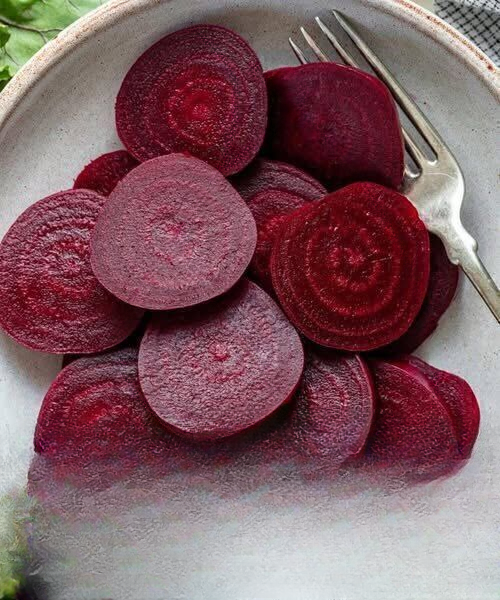
Beetroot is a familiar vegetable that has earned attention for its nutritional value and versatility in the kitchen. Its deep red color, naturally sweet flavor, and combination of vitamins, minerals, and plant compounds make it a useful addition to a balanced diet.
Often called beets, this root vegetable contains dietary nitrates, fiber, folate, potassium, and antioxidant pigments known as betalains. These nutrients are associated with several important functions in the body, including circulation, digestion, and normal cellular activity.
Although beetroot is sometimes described as a superfood, it is important to understand that no single food can guarantee better health or replace medical treatment. Its benefits are best considered as part of an overall eating pattern that includes a variety of vegetables, fruits, whole grains, and other nutritious foods.
Here is a closer look at what beetroot contains and how eating it regularly may support different aspects of health.
The Nutrients That Make Beetroot Special
Beetroot provides several nutrients and naturally occurring compounds that contribute to its nutritional value.
One of its most discussed components is dietary nitrate. The body can convert nitrate into nitric oxide, a molecule involved in regulating blood vessel function and circulation.
Beets also contain betalains, the pigments responsible for their characteristic red and purple colors. These compounds have antioxidant properties and are being studied for their potential role in protecting cells from oxidative stress.
Other important components include:
- Dietary fiber: Supports normal digestion and helps maintain healthy bowel function.
- Folate (vitamin B9): Helps the body produce DNA and form healthy cells.
- Potassium: Contributes to normal muscle function, nerve signaling, and fluid balance.
- Manganese: Supports several processes involved in metabolism and bone health.
- Iron: Plays an essential role in transporting oxygen through the blood.
- Magnesium: Participates in muscle function, nerve activity, and numerous metabolic processes.
The exact nutrient content can vary depending on the size of the beetroot, growing conditions, and preparation method.
Beetroot and Cardiovascular Health
One of the most widely studied aspects of beetroot is its natural nitrate content.
After nitrate-rich foods are consumed, bacteria in the mouth help convert some of the nitrate into nitrite. Further reactions in the body can produce nitric oxide.
Nitric oxide helps regulate the relaxation of smooth muscle in blood vessel walls. This process, known as vasodilation, allows blood vessels to widen and can influence blood flow and blood pressure.
For this reason, researchers have investigated whether beetroot and beetroot juice may support cardiovascular health.
Some studies suggest that consuming beetroot products can produce modest reductions in blood pressure in certain people. However, the size of the effect varies, and results depend on factors such as the amount consumed and an individual’s health.
Beetroot should therefore be viewed as a possible dietary support rather than a treatment for high blood pressure.
People with hypertension should continue following their healthcare professional’s recommendations, including prescribed medication and other established lifestyle measures.
May Support Exercise Performance
Beetroot has also attracted interest among runners, cyclists, and other endurance athletes.
The nitrates found in beets may influence how efficiently the body uses oxygen during certain types of physical activity. By contributing to nitric oxide production, dietary nitrates can affect blood flow and muscle function.
Some research suggests that nitrate-rich beetroot products may help improve exercise efficiency or endurance in particular circumstances.
Potential effects being studied include:
- Exercise efficiency: The body may require slightly less oxygen during some forms of steady endurance activity.
- Endurance performance: Certain individuals may experience improvements in their ability to maintain physical effort.
- Muscle function: Changes in blood flow and muscle oxygen use may influence performance during exercise.
However, these effects are not guaranteed. Research findings vary according to the type of exercise, fitness level, nitrate intake, and individual response.
Eating whole beetroot can contribute to a nutritious diet, but it should not be viewed as a substitute for appropriate training, rest, hydration, and balanced meals.
Beetroot and Brain Circulation
Healthy circulation is important for the brain because brain cells depend on a steady supply of oxygen and nutrients.
The brain uses a substantial share of the oxygen consumed by the body. Blood flow helps deliver that oxygen while supporting the normal activity of brain tissue.
Because dietary nitrates may influence blood vessel function, researchers have explored whether beetroot consumption could affect circulation in the brain.
Some studies have examined possible relationships between nitrate intake, blood flow, and cognitive performance. However, evidence is still developing, and it would be premature to claim that eating beetroot prevents memory loss or protects against neurological diseases.
Maintaining brain health involves many factors, including regular physical activity, sufficient sleep, balanced nutrition, and management of relevant health conditions.
Beetroot can contribute nutrients to that broader approach without being considered a stand-alone solution.
Supporting Digestion and Gut Health
Whole beetroot is a source of dietary fiber, which plays an important role in digestive health.
Fiber helps add bulk to stool and supports regular bowel movements. It also contributes to a healthy digestive environment by providing material that certain beneficial gut bacteria can use.
When gut bacteria ferment some types of dietary fiber, they produce substances called short-chain fatty acids. These compounds play several roles in the large intestine and are an active area of nutritional research.
Including fiber-rich vegetables such as beetroot in meals can help increase overall fiber intake.
However, people who are not accustomed to eating much fiber may prefer to introduce it gradually. Increasing fiber too quickly can cause temporary bloating or gas, particularly when fluid intake is insufficient.
Drinking enough water and eating a variety of fiber-containing foods can support normal digestion.
Betalains and Antioxidant Activity
The rich color of beetroot comes largely from natural pigments called betalains.
These plant compounds have antioxidant activity, meaning they can interact with reactive molecules involved in oxidative processes.
Oxidative stress occurs when the balance between reactive molecules and the body’s antioxidant defenses becomes disrupted. It is studied in connection with several aspects of health and aging.
Laboratory research has examined the antioxidant properties of betalains, while other studies have explored their possible effects in the human body.
Although these findings are interesting, they do not establish that eating beetroot prevents specific diseases or reverses cellular damage.
The practical takeaway is that beetroot provides naturally occurring plant compounds that contribute to the variety of antioxidants found in a diet rich in vegetables and fruits.
Does Beetroot Detoxify the Body?
Beetroot is sometimes promoted as a natural detox food, but the term can create misleading expectations.
The human body already has systems responsible for processing and removing waste products. The liver plays a major role in metabolizing many substances, while the kidneys help filter waste from the blood and remove it through urine.
Eating beetroot does not directly cleanse the body of toxins or replace these natural processes.
Instead, its nutrients and plant compounds contribute to normal nutritional needs. Folate, fiber, potassium, and antioxidant pigments can all form part of a balanced eating pattern that supports general health.
A healthy diet, adequate hydration, and appropriate medical care are more useful foundations than relying on detox claims or restrictive cleanses.
Whole Beetroot or Beetroot Juice: Which Is Better?
Beetroot is available in several forms, including fresh vegetables, cooked beets, juice, and powdered products.
Each option has different nutritional characteristics.
Whole beetroot
Whole beets provide fiber as well as naturally occurring vitamins, minerals, and plant compounds. They can be eaten raw, roasted, steamed, or added to soups and salads.
Because the fiber remains in the food, whole beetroot can also contribute to fullness and digestive health.
Beetroot juice
Juice offers a convenient way to consume beetroot and may provide a concentrated source of dietary nitrates, depending on how it is produced.
However, juicing removes much of the vegetable’s fiber. Some products may also contain added sugar or other ingredients, so checking the label is worthwhile.
Beetroot powder
Powdered beetroot can be convenient for smoothies and other recipes. Its nutritional content varies depending on the processing method and concentration.
It is important not to assume that every powder provides the same amount of nitrate or other nutrients as fresh beetroot.
For everyday meals, whole beetroot is a practical choice because it provides fiber along with other nutrients. Juice and powder can offer alternatives, but they are not automatically more beneficial.
Possible Side Effects and Safety Considerations
Beetroot is generally suitable for many people when eaten as part of a varied diet. Nevertheless, there are a few considerations worth understanding.
Pink or Red Urine and Stool
After eating beetroot, some people notice that their urine or bowel movements appear pink or reddish.
This effect is commonly called beeturia. It is generally harmless and occurs because some of the vegetable’s natural pigments pass through the body without being completely broken down.
However, red or pink urine can also have causes unrelated to food. If the discoloration occurs without eating beetroot, continues unexpectedly, or is accompanied by pain or other symptoms, medical advice is appropriate.
Oxalates and Kidney Stones
Beetroot contains naturally occurring oxalates. These substances can contribute to the formation of calcium oxalate kidney stones in susceptible individuals.
People who have a history of this type of kidney stone may need individualized dietary guidance. A healthcare professional or registered dietitian can help determine whether limiting beetroot or other high-oxalate foods is appropriate.
Blood Pressure and Medication
Because dietary nitrates may influence blood vessel relaxation, concentrated beetroot products could affect blood pressure in some individuals.
People taking medication for high blood pressure should speak with a healthcare professional before regularly consuming large amounts of concentrated beetroot juice or nitrate supplements.
Prescribed medication should never be reduced or stopped because of changes in diet without professional advice.
Digestive Discomfort
Some people may experience bloating or changes in bowel habits after eating beetroot, particularly when increasing their fiber intake quickly.
Starting with moderate portions and gradually increasing fiber-rich foods may help reduce discomfort.
Simple Ways to Add Beetroot to Your Meals
Including beetroot in a regular diet does not require complicated recipes. Its naturally earthy and slightly sweet flavor works in both hot and cold dishes.
Here are several easy ideas.
1. Roasted beetroot
Cut fresh beetroot into small pieces, add a little olive oil and herbs, and roast until tender. Roasting brings out its natural sweetness and makes it a useful side dish.
2. Fresh grated beetroot
Grate raw beetroot into salads or grain bowls. It adds color, texture, and a mild earthy flavor.
3. Beetroot smoothies
Blend a small amount of cooked or raw beetroot with berries, yogurt, or leafy greens. The other ingredients can balance its distinctive taste.
4. Vegetable soup
Add beetroot to vegetable soups or traditional dishes such as borscht. It gives the meal a rich color and contributes fiber and other nutrients.
5. Beetroot with roasted vegetables
Combine beetroot with carrots, potatoes, onions, or other vegetables for a simple meal accompaniment.
The best preparation method is the one that fits your preferences and makes it easier to enjoy a variety of nutritious foods.
How Often Should You Eat Beetroot?
There is no universal amount of beetroot that everyone needs to eat. Nutritional requirements and individual circumstances differ.
For most people, moderate portions can be included as part of a varied diet. Beetroot can be rotated with other vegetables rather than becoming the only major source of plant nutrients.
Eating a range of colorful vegetables helps provide different types of fiber, vitamins, minerals, and plant compounds.
People with specific dietary restrictions, kidney stone concerns, or medical conditions should seek individualized guidance before making major dietary changes.
The Bottom Line: A Simple Vegetable With Valuable Nutrients
Beetroot may not be a miracle food, but it offers a useful combination of natural nitrates, fiber, folate, minerals, and antioxidant pigments.
Research suggests that its nitrate content may support blood vessel function and could offer modest benefits for blood pressure or certain aspects of exercise performance. Its fiber contributes to digestive health, while its plant pigments add to the variety of antioxidants available through food.
The effects are not identical for everyone, and beetroot should not replace prescribed treatment or other established health practices.
Adding it to salads, soups, roasted vegetable dishes, or smoothies is a simple way to increase the variety of foods in your diet.
Long-term well-being is built through consistent habits rather than relying on one ingredient. Beetroot can be one nutritious part of that approach.