Sexually transmitted infections (STIs) can affect people of any age who are sexually active. Some cause noticeable symptoms, including sores, unusual discharge, itching, or discomfort during urination. Others may remain unnoticed for weeks, months, or longer.
Understanding possible warning signs can help people seek appropriate medical care, obtain testing, and reduce the risk of complications. However, symptoms alone cannot confirm an STI, and the absence of symptoms does not rule one out.
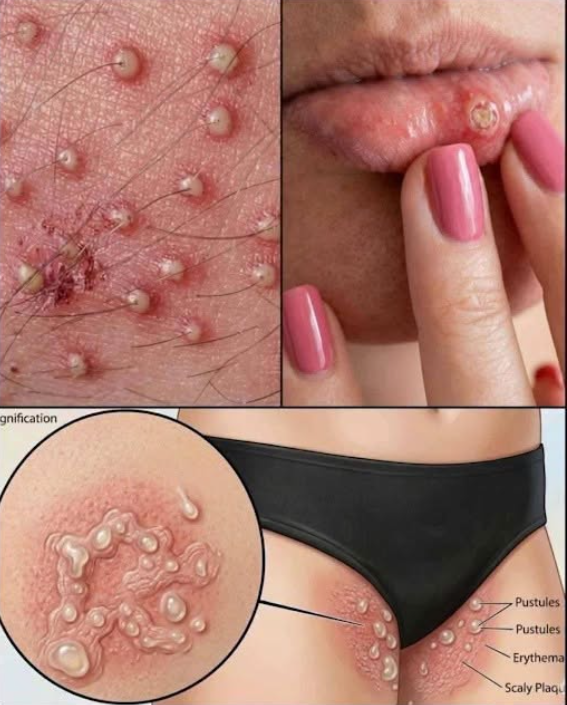
Photographs of bumps, blisters, or rashes circulating online can raise questions about sexual health, but images cannot reliably establish a diagnosis. Several infections and noninfectious skin conditions can look similar. A proper assessment may require a medical history, an examination, and laboratory testing.
What Are Sexually Transmitted Infections?
STIs are infections caused by bacteria, viruses, or parasites that can spread through sexual contact. Depending on the infection, transmission may occur during vaginal, anal, or oral sex, through direct contact with infected skin or sores, or through exposure to infected bodily fluids.
Some infections can also pass from a pregnant person to a baby during pregnancy or childbirth.
Common STIs include:
- Chlamydia: A bacterial infection that frequently causes no noticeable symptoms.
- Gonorrhea: A bacterial infection that can affect the genitals, rectum, and throat.
- Syphilis: A bacterial infection that develops in stages and can cause different symptoms over time.
- Genital herpes: A viral infection that may cause blisters or sores, although symptoms can be mild or absent.
- Human papillomavirus (HPV): A group of viruses that can cause genital warts and, in some cases, certain cancers.
- HIV: A virus that affects the immune system and requires specific testing and ongoing treatment.
- Trichomoniasis: A parasitic infection that may cause genital irritation or changes in discharge.
Some of these infections can be cured with appropriate medication, while others can be managed with treatment. Because symptoms vary widely, testing is the most reliable way to identify many STIs.
Why Recognizing Symptoms Matters
Identifying a possible infection and seeking care can help reduce the risk of complications and transmission to sexual partners.
Untreated STIs can sometimes lead to pelvic inflammatory disease, fertility problems, complications during pregnancy, or damage to certain organs. The specific risks depend on the infection and the person’s circumstances.
It is important to remember that many STIs cause no obvious symptoms. Someone can feel completely healthy and still have an infection.
Testing may therefore be appropriate after a possible exposure, when a sexual partner has been diagnosed with an STI, or when a healthcare professional recommends screening based on individual risk.
1. Unusual Bumps, Blisters, or Sores
New bumps, blisters, ulcers, or sores around the genitals, anus, or mouth can be a reason to seek medical advice, particularly if they appear after sexual contact.
Several infections can cause these changes, but their appearance differs from person to person.
Genital herpes may cause clusters of small blisters that break open and form painful sores. Some people experience tingling, itching, or burning before the lesions appear. Others have symptoms so mild that they mistake them for irritation or ingrown hairs.
Syphilis can initially cause a sore known as a chancre at the site where the infection entered the body. The sore is often painless and may go unnoticed. It can disappear without treatment even though the infection remains.
HPV can cause genital warts, which may appear as small raised growths or groups of bumps. Many HPV infections, however, cause no visible changes.
Not every bump or sore is caused by an STI. Ingrown hairs, folliculitis, cysts, contact dermatitis, friction, and other skin conditions can produce similar symptoms.
If you develop an unexplained genital sore, blister, or persistent growth, arrange a medical assessment. Avoid squeezing the area or applying harsh products. A clinician may be able to collect a sample from a fresh lesion to help determine the cause.
2. Unusual Discharge or Changes in Odor
Changes in genital discharge can sometimes indicate an infection, especially when accompanied by pain, irritation, or discomfort during urination.
In people with a vagina, chlamydia and gonorrhea may cause unusual discharge, bleeding between periods, or bleeding after sex. Trichomoniasis can cause irritation and changes in discharge, sometimes accompanied by an unusual odor.
In people with a penis, chlamydia and gonorrhea may cause discharge from the urethra, the tube that carries urine out of the body. Some people also experience burning during urination or discomfort around the testicles.
However, discharge naturally varies, and changes in odor or consistency can have causes unrelated to STIs. Yeast infections, bacterial vaginosis, and urinary tract infections can produce overlapping symptoms.
Seek medical advice if a change is persistent, unusual for you, or accompanied by pain, bleeding, sores, or a possible exposure. Avoid taking leftover antibiotics or medication prescribed for someone else.
3. Burning or Pain During Urination
A stinging or burning sensation when urinating can occur when an infection or another condition irritates the urinary tract.
Chlamydia and gonorrhea may cause inflammation of the urethra. Trichomoniasis can also cause urinary discomfort. However, urinary tract infections, irritation from personal-care products, and other medical conditions can produce similar symptoms.
The combination of symptoms may help guide a clinician’s assessment, but it cannot establish a diagnosis by itself.
If the discomfort persists, returns, or develops after a possible sexual exposure, arrange a medical evaluation and ask whether STI testing is appropriate.
Seek urgent medical care if you experience severe pain, an inability to urinate, fever with significant urinary symptoms, blood in the urine, or intense pain or swelling in a testicle.
4. Itching, Irritation, or a Rash
Itching around the genitals or anus can be uncomfortable and may have several possible causes.
Some people with genital herpes experience itching or tingling before sores develop. Trichomoniasis can cause genital irritation, while pubic lice and scabies can cause intense itching and spread through close physical contact, including sexual contact.
Other possible causes include sweat, friction, shaving, fragranced soaps, laundry products, eczema, and yeast infections.
Because these conditions can look or feel similar, itching alone is not enough to identify an STI.
If the irritation persists or is accompanied by sores, swelling, unusual discharge, or pain, seek medical advice. Avoid scratching excessively or applying strong disinfectants and fragranced products to sensitive skin.
A healthcare professional can assess the affected area and recommend testing or treatment based on the findings.
5. Lower Abdominal Pain, Pelvic Discomfort, or Testicular Pain
Pain in the lower abdomen or pelvis can result from digestive, urinary, or reproductive health conditions. In some cases, it may signal a complication of an untreated STI.
In people with a uterus, chlamydia or gonorrhea can sometimes lead to pelvic inflammatory disease (PID), an infection affecting the upper reproductive tract.
Symptoms may include lower abdominal pain, pain during sex, unusual discharge, fever, or bleeding between periods. Some people experience only mild symptoms.
Delayed treatment of PID can increase the risk of long-term complications, including chronic pelvic pain, fertility problems, and ectopic pregnancy. Prompt medical evaluation can help reduce these risks.
In people with a penis, certain infections can cause inflammation of the epididymis, a structure beside the testicle. This may lead to pain, tenderness, and swelling.
Sudden, severe testicular pain requires emergency assessment because testicular torsion, a condition in which the blood supply becomes twisted, is another possible cause and requires rapid treatment.
Severe pelvic pain, fever accompanied by abdominal pain, fainting, or significant testicular swelling also warrants urgent medical care.
6. Flu-Like Symptoms and Swollen Lymph Nodes
Some STIs can cause general symptoms that resemble a common viral illness.
During early HIV infection, some people develop fever, sore throat, rash, muscle aches, fatigue, or swollen lymph nodes. Others experience mild symptoms or none at all.
Syphilis can also cause symptoms beyond its initial sore. In a later stage, some people develop a rash, swollen lymph nodes, fever, or fatigue. The rash may affect the palms of the hands or soles of the feet.
These symptoms are not specific to STIs. Influenza, COVID-19, other viral infections, and many unrelated conditions can cause similar problems.
A person’s symptoms cannot confirm or rule out HIV or another STI. If you have experienced a possible exposure or have concerns about a partner’s diagnosis, ask a healthcare professional about appropriate testing.
Even if symptoms disappear, testing may still be necessary.
7. Why Some STIs Have No Noticeable Symptoms
One of the most important facts about sexual health is that many STIs can be present without obvious warning signs.
Chlamydia frequently causes no symptoms. Gonorrhea may also be asymptomatic, particularly when it affects the throat or rectum. Many HPV infections cause no visible warts, and some people with herpes do not recognize their symptoms.
HIV may also remain without noticeable symptoms for a period of time.
For this reason, checking for visible signs is not a substitute for testing. A person may need screening based on their sexual history, possible exposure, age, pregnancy status, or healthcare recommendations.
Testing also has limitations. Depending on the infection and the test used, there may be a window period during which an infection is not yet reliably detectable.
If you are concerned about a recent exposure, ask a healthcare professional when to test and whether repeat testing is recommended.
If a possible HIV exposure occurred within the past 72 hours, seek urgent medical advice about post-exposure prophylaxis (PEP). This preventive treatment must be started within that time window, and earlier is better.
8. What to Do If You Notice a Possible Warning Sign
Noticing an unfamiliar skin change or other symptom can be stressful. Taking practical steps is more helpful than attempting to diagnose the condition yourself.
- Arrange a medical assessment. A primary care provider or sexual health clinic can evaluate symptoms and recommend appropriate tests.
- Explain your symptoms clearly. Tell the clinician when they began, whether they have changed, and whether a possible exposure occurred.
- Avoid sexual contact while symptoms are being assessed. If an STI is suspected or confirmed, follow medical guidance about when it is safe to resume sexual activity.
- Do not self-medicate with antibiotics. Different infections require different treatments, and inappropriate medication can delay effective care.
- Avoid squeezing or removing lesions. This can damage the skin and worsen irritation.
- Follow advice about partner testing. If an infection is diagnosed, sexual partners may also need evaluation or treatment.
You do not need to be certain that an STI is involved before seeking care. A healthcare professional can help determine what is happening.
9. How STI Testing and Treatment Work
The appropriate test depends on the infection, symptoms, and areas of the body that may have been exposed.
Testing may involve a urine sample, a swab from a sore or affected area, or a blood test. Some people may need throat or rectal testing based on the type of sexual contact.
A physical examination can be useful when visible lesions are present, but it is not always necessary for routine screening.
Treatment depends on the diagnosis. Chlamydia, gonorrhea, and syphilis can generally be treated with appropriate antibiotics, although antibiotic resistance is an important concern for gonorrhea. Trichomoniasis can be treated with prescription medication.
Herpes can be managed with antiviral medicines that help reduce symptoms and outbreaks, although these medicines do not eliminate the virus from the body. HIV is treated with antiretroviral therapy, which suppresses the virus and helps people maintain their health.
Follow the treatment instructions provided by your clinician. Ask whether partners should be tested or treated and whether follow-up testing is necessary.
For people living with HIV, effective treatment that maintains an undetectable viral load prevents sexual transmission of HIV. This is known as Undetectable = Untransmittable (U=U).
10. Practical Ways to Reduce STI Risk
Several measures can help reduce the risk of acquiring or transmitting STIs:
- Use condoms correctly and consistently. They reduce the risk of many infections, although they may not fully prevent infections transmitted through skin not covered by the condom.
- Consider regular STI testing based on your sexual activity and individual risk.
- Discuss sexual health and testing with partners.
- Ask a healthcare professional about HPV and hepatitis B vaccination.
- Avoid sexual contact when you or a partner has unexplained sores or symptoms until you have received appropriate medical advice.
- Seek advice promptly after a possible exposure rather than waiting for symptoms to appear.
Prevention is most effective when people have access to accurate information, confidential testing, and appropriate treatment.
When to Seek Medical Help
New genital sores, unusual discharge, persistent itching, burning during urination, or unexplained pelvic discomfort deserve medical attention, particularly after a possible sexual exposure.
Seek urgent care for severe pelvic or abdominal pain, sudden testicular pain, significant swelling, fainting, or fever accompanied by severe symptoms. If a possible HIV exposure occurred within the past 72 hours, seek urgent advice about PEP.
Remember that symptoms can have causes other than an STI, and many STIs produce no symptoms at all. Neither an online photograph nor a symptom checklist can provide a reliable diagnosis.
The most dependable approach is to seek professional advice, get tested when appropriate, and follow the recommended treatment. Taking these steps protects your health and can help prevent complications and transmission to others.
Sexual health is an important part of overall well-being. Asking questions, seeking timely care, and getting accurate information are responsible choices that should never be a source of shame.