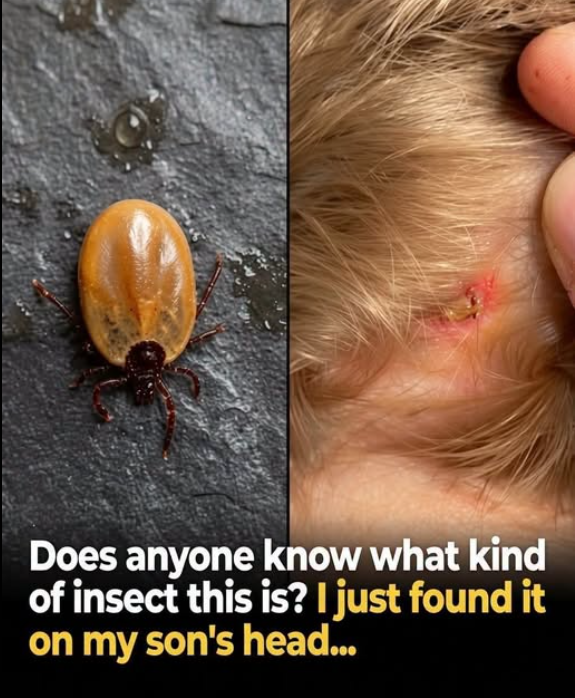
Ticks are small parasites that can be found in wooded areas, tall grass, gardens, and some urban parks. For families who enjoy spending time outdoors, checking for ticks is a useful precaution, particularly after children have played in grassy or wooded areas.
Finding a tick attached to a child’s skin can be worrying, but staying calm and removing it correctly can help reduce potential risks. Most tick bites do not automatically lead to illness. However, some ticks can transmit infections, making early detection and awareness of symptoms important.
What Are Ticks?
Ticks are arachnids, meaning they are related to spiders rather than insects. They survive by feeding on the blood of humans and animals. Because some ticks are very small, particularly in their younger stages, they may be difficult to notice before they attach to the skin.
Ticks often seek sheltered areas of the body where they can remain undisturbed. Common places to check include:
- The scalp and hairline
- Behind the ears
- Around the neck
- Under the arms
- Around the waist and waistband
- Behind the knees
- Around the ankles and feet
Children may be exposed to ticks while playing outdoors, walking through vegetation, or spending time near wooded areas. Ticks can also be present in gardens and parks, so families do not need to visit a forest to encounter them.
Why Tick Bites Deserve Attention
Some ticks carry bacteria or other pathogens that can cause illness. Depending on the region, tick-borne diseases may include Lyme disease, Rocky Mountain spotted fever, and ehrlichiosis. The infections associated with ticks vary by location and tick species.
A tick bite does not mean that an infection has occurred. The risk depends on several factors, including the type of tick, whether it carries a pathogen, how long it remains attached, and the geographic area where the bite happened.
Promptly finding and removing a tick can reduce the time it remains attached. This is one reason health authorities recommend checking the skin after outdoor activities, especially in places where tick-borne diseases are known to occur.
Local public-health guidance can help families understand which tick-related illnesses are most relevant to their area.
How to Remove a Tick Safely
If a tick is attached to a child’s skin, use fine-tipped tweezers to remove it as soon as possible.
Follow these steps:
- Grasp the tick close to the skin. Hold it with the tweezers as near to the point of attachment as possible.
- Pull upward steadily. Use even pressure without twisting or jerking the tick.
- Check the area. If small mouthparts remain in the skin and cannot be removed easily, avoid digging into the skin. Seek medical advice if you are concerned.
- Clean the bite site. Wash the area and your hands with soap and water. An appropriate skin antiseptic can also be used.
- Make a note of the date. Recording when the tick was discovered and removed can be helpful if symptoms develop later.
Avoid trying to remove a tick by burning it or covering it with petroleum jelly, nail polish, or other substances. These methods are not recommended and may make safe removal more difficult. Squeezing or crushing the tick should also be avoided.
If the tick is in a sensitive area, such as near the eye, or you cannot remove it safely, contact a healthcare professional for guidance.
What to Watch for After a Tick Bite
After removing a tick, monitor the bite area and the child’s general health. A small amount of temporary redness or irritation can occur at the site. However, certain changes deserve medical attention.
Contact a healthcare professional if the child develops symptoms such as:
- A rash that expands over time
- Fever or chills
- Headache
- Unusual tiredness
- Muscle or joint aches
- Swollen lymph nodes
These symptoms can have many causes, and their presence does not necessarily confirm a tick-borne infection. Nevertheless, symptoms that appear in the days or weeks following a bite should be discussed with a clinician, particularly if the child has been in an area where tick-borne diseases occur.
Seek urgent medical care if the child develops severe symptoms, such as difficulty breathing, confusion, a severe headache with a stiff neck, or rapidly worsening illness.
A healthcare professional can assess the circumstances of the bite and determine whether testing, preventive treatment, or further monitoring is appropriate. Recommendations may depend on the type of tick, the likely duration of attachment, the location where the bite occurred, and the time elapsed since removal.
Why Keeping a Record Can Help
A simple record can be useful if symptoms appear later. Parents may wish to note the date the tick was found, where it was attached, and when it was removed.
Taking a photograph of the bite site can also help document changes in the skin. If a rash develops, later photographs may help show whether it has expanded.
If a healthcare professional requests the tick for identification, follow their instructions for storing or bringing it in. Procedures vary by location, and routine testing of the tick is not always recommended.
Parents should not delay seeking medical advice while trying to identify the tick themselves. A clinician can help assess the situation using the available information.
How to Reduce the Risk of Tick Bites
Prevention is especially useful when children spend time in areas where ticks may be present. A few practical habits can reduce exposure.
Choose Protective Clothing
Long sleeves, long pants, and closed-toe shoes can help limit exposed skin. In areas with a high level of tick activity, tucking pants into socks may provide an additional barrier.
Light-colored clothing can make dark ticks easier to notice. After outdoor activities, check clothing for ticks before bringing it indoors or putting it away.
Use Repellents Correctly
Approved insect repellents can help reduce tick bites when used according to the product label. Parents should select products appropriate for the child’s age and follow all application instructions.
Some clothing treatments are designed specifically to help repel or kill ticks. These products should be used only as directed, and products intended for clothing should not be applied directly to the skin unless the label specifically permits it.
Check the Body After Outdoor Activities
When children return indoors, take a few minutes to inspect their skin and hair in good lighting. Pay particular attention to the scalp, hairline, behind the ears, under the arms, around the waist, behind the knees, and around the ankles.
A shower soon after coming indoors may help wash away unattached ticks and provides an opportunity to check the skin. It should not replace a careful body inspection.
Keep Outdoor Areas Tidy
Ticks may live in leaf litter, tall grass, and vegetation along the edges of wooded areas. Keeping lawns trimmed, removing accumulated leaves, and creating clear boundaries between play areas and dense vegetation can help make yards less inviting to ticks.
These measures cannot eliminate all tick exposure, but they can reduce opportunities for contact.
Remember to Check Family Pets
Dogs and cats that spend time outdoors can carry ticks into the home. Checking pets after walks or outdoor play can help identify ticks before they spread to other areas.
Use veterinary-approved tick prevention products appropriate for the animal. Some products intended for dogs can be dangerous to cats, so pet owners should follow veterinary guidance rather than using treatments interchangeably.
Checking pets and people after outdoor activities can become part of the same household routine.
Teaching Children About Tick Awareness
Children can learn simple habits that make outdoor play safer. Parents can explain that ticks are tiny creatures sometimes found in grass and vegetation and that they should tell an adult if they notice an unfamiliar bump on their skin.
Older children can learn to check their legs, ankles, and clothing after playing outside. An adult should still inspect areas that are difficult to see, particularly the scalp and back.
Making tick checks a normal part of returning home can help children understand prevention without becoming unnecessarily afraid of outdoor activities.
Enjoying the Outdoors With Confidence
Ticks are present in many environments, including parks, gardens, trails, and grassy yards. Their presence does not mean families need to avoid outdoor recreation. Instead, awareness and a few consistent precautions can help reduce the risks.
Wear suitable clothing, use approved repellents when appropriate, check the body after outdoor activities, and remove attached ticks promptly with fine-tipped tweezers. After a bite, watch for an expanding rash or symptoms such as fever, headache, and unusual fatigue.
Most tick encounters do not result in serious illness, but knowing when to seek medical advice is important. A calm response, correct removal, and attention to possible symptoms can help parents protect their children while allowing them to continue enjoying the benefits of outdoor play.