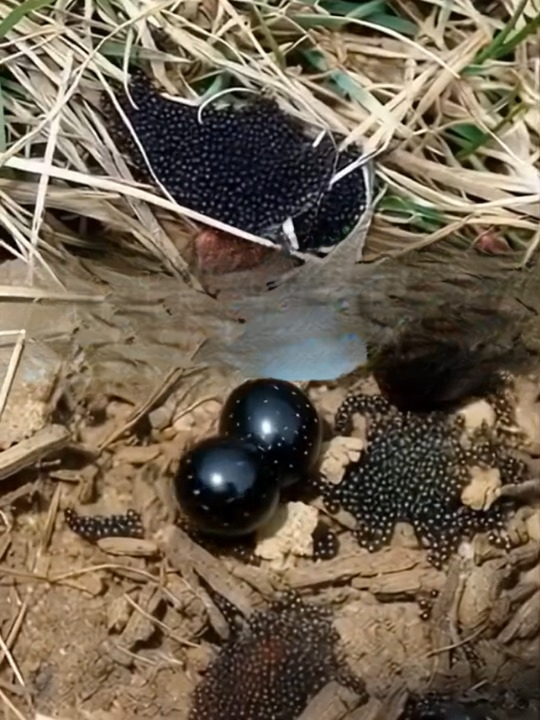
Discovering a cluster of tiny eggs in your yard can raise several questions. Could they belong to insects? Might they develop into garden pests? And could they create a health concern for your family or pets?
One possibility is that the eggs belong to ticks. These small parasites feed on the blood of animals and people, and certain species can transmit infections through their bites. However, many other insects and small invertebrates also lay eggs in clusters outdoors. Their eggs may be found beneath leaves, in soil, on plants, or in sheltered areas around a property.
The most important step is identifying the cluster before deciding what action to take. Finding unfamiliar eggs does not automatically mean your property has a tick infestation. It does, however, provide an opportunity to inspect the surrounding area and review basic precautions against ticks.
What Do Tick Eggs Look Like?
Tick eggs are generally very small and oval-shaped. They are often deposited in groups and may appear amber, reddish-brown, brown, or somewhat translucent, depending on the species and conditions.
A newly laid cluster may have a slightly glossy appearance. Because individual eggs are tiny, the group can resemble small beads, seeds, or material attached to a surface.
However, appearance alone cannot confirm that a cluster belongs to ticks. Other organisms may produce eggs with similar colors, shapes, and arrangements.
If you discover an unfamiliar cluster, consider a few details:
- Location: Is it beneath leaves, near vegetation, or in a sheltered outdoor space?
- Arrangement: Are the eggs tightly grouped or scattered across a surface?
- Appearance: Are they smooth, rounded, elongated, or covered by a protective material?
- Nearby activity: Have you noticed ticks on pets, wildlife, clothing, or people who regularly use the yard?
These observations may help narrow down the possibilities, but a qualified pest professional or local agricultural extension service can provide more reliable identification.
If it is safe to do so, take clear photographs from a distance. Including a coin or ruler nearby can help show the size of the cluster without requiring you to touch it.
Could the Eggs Belong to Ticks?
Yes, female ticks can deposit eggs in protected outdoor locations. After feeding, an adult female hard tick typically leaves its host and lays eggs in the surrounding environment.
The number of eggs and the location selected depend on the tick species and environmental conditions.
According to the U.S. Centers for Disease Control and Prevention (CDC), ticks generally develop through four life stages: egg, six-legged larva, eight-legged nymph, and adult. After hatching, ticks need blood meals during later stages of development.
If a cluster is confirmed to contain tick eggs, it may eventually produce larvae that need suitable animal hosts. However, this does not mean that every egg will survive or that the property will develop a large tick population.
Survival depends on several factors, including the species, weather, habitat, and availability of hosts. Finding eggs alone cannot establish how many ticks may develop or whether they carry disease.
Where Might Tick Eggs Be Found?
Ticks are commonly associated with grassy, brushy, and wooded environments. Some species may also occur around residential properties, gardens, animal resting areas, and locations regularly visited by wildlife.
Female ticks generally deposit their eggs in protected places rather than exposed areas that are frequently disturbed. Depending on the species and habitat, suitable locations may include leaf litter, vegetation, and other sheltered spaces.
When inspecting your property, consider areas where pets, wildlife, and people regularly come into contact.
These may include:
- Edges where maintained grass meets taller vegetation.
- Dense shrubs and ground cover.
- Leaf piles and overgrown garden borders.
- Wood piles and other sheltered outdoor spaces.
- Paths frequently used by pets or wildlife.
- Areas where animals regularly rest or pass through.
The presence of eggs in one of these locations does not prove they are tick eggs. Their surroundings provide useful context, but proper identification is still important.
What Happens When Tick Eggs Hatch?
After hatching, ticks enter the larval stage. Tick larvae have six legs, while nymphs and adults have eight.
Larvae must find a suitable host and obtain a blood meal before progressing through their development. Depending on the species, possible hosts include small mammals, birds, reptiles, and other animals.
The process is not immediate. Some tick species take multiple seasons or even years to complete their life cycle. Temperature, humidity, host availability, and species-specific behavior all influence development.
This distinction is important because a cluster of eggs does not represent an immediate outbreak of biting ticks. Eggs do not search for people or pets. The potential concern comes from what may happen after they hatch and develop.
If tick eggs are confirmed, sensible precautions can help reduce the chance of contact with ticks later.
Can Tick Eggs Make People Sick?
The main health concern associated with ticks is their ability to transmit certain pathogens through bites.
Depending on the tick species and geographic region, tick-borne infections may include Lyme disease, babesiosis, anaplasmosis, ehrlichiosis, and other illnesses.
However, finding eggs does not prove that ticks in the area are infected. It also does not mean anyone has been exposed to a disease.
Tick-borne disease risks vary considerably by location. Different tick species can carry different pathogens, and not every tick bite results in infection.
The eggs themselves are not the usual route through which people acquire tick-borne illnesses. The practical concern is that ticks may hatch, develop, attach to a person or animal, and transmit a pathogen while feeding.
Some tick species can pass certain pathogens from a female to her offspring, but finding an egg cluster does not establish that the eggs are infected.
Symptoms to Watch for After a Tick Bite
If you discover an attached tick, remove it promptly with fine-tipped tweezers.
Grasp the tick as close to the skin as possible and pull upward using steady, even pressure. Avoid twisting or crushing it. Do not use heat, petroleum jelly, or other folk remedies to encourage it to detach.
After a possible tick bite, monitor your health over the following days and weeks. Depending on the infection, symptoms may include:
- Fever or chills.
- Headache.
- Unusual fatigue.
- Muscle or joint aches.
- A spreading rash or other new skin changes.
Not every tick-borne illness causes a rash, and symptoms can differ from one infection to another.
If you develop concerning symptoms after a tick bite or possible exposure, contact a healthcare professional. Explain when and where the exposure may have occurred.
Seek urgent medical attention for severe symptoms such as difficulty breathing, confusion, fainting, or rapidly worsening illness.
Are Tick Eggs Dangerous to Pets?
Dogs and cats can encounter ticks while exploring grass, walking through vegetation, or visiting areas frequented by wildlife. Pets may also carry attached ticks indoors, where owners sometimes discover them while grooming their animals.
Finding a suspected egg cluster does not mean your pet has ticks. Nevertheless, if you have noticed tick activity around your property, checking your pet’s coat is a sensible precaution.
Pay attention to areas around the ears, face, collar, legs, and between the toes. Ticks can be difficult to see, particularly when they are small or hidden beneath thick fur.
Ask your veterinarian about preventive products appropriate for your pet and the local environment. Never assume that a product intended for dogs is safe for cats. Certain ingredients used in dog-only tick treatments can be highly toxic to cats.
If you repeatedly find ticks on your pet, consult a veterinarian about prevention and whether an examination is necessary.
What Should You Do If You Find Tiny Eggs?
The first step is to avoid disturbing the cluster until you have a better understanding of what it is.
There is no need to panic or immediately spray the entire yard with pesticides. A careful approach can help you avoid unnecessary treatment.
1. Keep Children and Pets Away
If you suspect the cluster may belong to a pest, temporarily prevent children and pets from handling or playing directly beside it.
This is simply a precaution while you identify what you have found. It does not mean that the eggs are necessarily dangerous through contact.
2. Take Clear Photographs
Photograph the cluster in good lighting and, if possible, from several angles.
Place a coin or ruler nearby for scale without touching the eggs. Make a note of where the cluster was found and whether you have noticed ticks on pets or family members recently.
These details may help a professional identify the organism.
3. Avoid Direct Contact
Until the eggs are identified, avoid handling them with bare hands or crushing them.
If the cluster is located in an area used regularly by people or pets, keep clear of it and seek advice about appropriate removal.
4. Inspect the Surrounding Area
Look for other signs of pest activity without reaching blindly into leaf piles, dense vegetation, or gaps in outdoor structures.
Check pets for attached ticks and consider whether wildlife regularly visits the property.
Remember that ticks may be present even if you never discover their eggs.
5. Contact a Qualified Professional
If the cluster is extensive, difficult to access, or associated with recurring tick encounters, contact a qualified pest-control professional or local agricultural extension service.
A professional can help identify the organism and recommend an appropriate response.
6. Avoid Unnecessary Chemicals
Do not use bleach, household cleaners, or improvised chemical mixtures on unidentified eggs.
These substances may damage plants, irritate people or animals, or contaminate soil and water. Pesticides should only be used when there is a clear reason and the product is approved for the intended pest and location.
Always follow the product label carefully.
How to Make Your Yard Less Attractive to Ticks
You cannot guarantee that ticks will never enter your property. Wildlife can carry them into residential areas, and ticks may occasionally be present even in well-maintained gardens.
However, several maintenance habits can help reduce opportunities for contact.
Keep grass maintained. Regular mowing helps create a clearer boundary between frequently used lawn areas and taller vegetation.
Manage excessive leaf litter. Where practical, remove accumulated leaves from paths, play areas, and frequently used garden spaces.
Trim dense vegetation. Maintaining access around shrubs and garden structures can make outdoor areas easier to inspect.
Create clear boundaries. If your yard borders woodland or brush, consider maintaining a visible transition zone. Some public health guidance recommends a strip of wood chips or gravel between lawns and wooded areas.
Store wood and garden materials neatly. Organized storage can reduce sheltered spaces around frequently used areas.
Discourage unwanted wildlife visits. Secure rubbish containers and avoid leaving pet food outdoors overnight. Follow local guidance for humane wildlife management.
Maintain pet prevention. Ask your veterinarian which tick-prevention products are suitable for your animal and local conditions.
These measures cannot eliminate ticks, but they can form part of a practical prevention routine.
How to Protect Your Family From Tick Bites
Yard maintenance is only one part of tick prevention. People may encounter ticks in gardens, parks, wooded areas, and hiking trails.
Before spending time outdoors, consider wearing clothing that covers exposed skin when practical. Use an insect repellent approved for your location and follow its instructions.
Products containing permethrin may be suitable for treating certain clothing and outdoor equipment where permitted. These products should not be applied directly to skin unless the label specifically allows it.
After returning indoors:
- Check clothing and exposed skin for ticks.
- Examine the scalp, behind the ears, under the arms, around the waist, and behind the knees.
- Shower soon after outdoor activities when practical.
- Inspect pets and outdoor equipment.
- Follow the care instructions for any treated clothing or gear.
These precautions do not guarantee complete protection, but they can help reduce exposure and make it easier to discover ticks before they remain attached for longer periods.
Should You Use Pesticides to Kill Tick Eggs?
Not automatically.
Before considering treatment, identify the eggs and determine whether there is a genuine pest problem. An unidentified cluster is not enough reason to treat an entire garden.
If tick activity is confirmed, an integrated pest-management approach is generally preferable to relying only on chemicals. This may combine habitat maintenance, monitoring, personal protection, pet prevention, and targeted treatment when appropriate.
Before applying any pesticide, read the full label. Confirm that the product is intended for the pest and location, and follow all instructions about protective equipment, application rates, weather conditions, and keeping people and pets away from treated areas.
For recurring tick problems or larger infestations, a licensed professional can assess whether treatment is justified.
Common Misconceptions About Tiny Eggs
Myth: Every tiny egg cluster belongs to ticks.
Fact: Many insects and other organisms lay eggs in groups. Appearance and location can provide clues, but they cannot always establish the identity.
Myth: Finding tick eggs means the yard is infested.
Fact: A confirmed cluster may indicate tick activity, but it does not reveal how many ticks will hatch or survive.
Myth: Tick eggs immediately bite people.
Fact: Eggs do not bite. After hatching, larvae must find a suitable host and feed before continuing their development.
Myth: A well-maintained lawn cannot contain ticks.
Fact: Lawn maintenance can help reduce certain habitat opportunities, but it cannot guarantee a tick-free property.
Myth: Spraying the entire garden is always the safest response.
Fact: Unnecessary pesticide use can create avoidable risks. Identifying the organism and choosing a proportionate response are better starting points.
When Should You Seek Professional Advice?
Consider contacting a pest-control professional if you repeatedly find ticks on family members or pets, discover what appears to be a large number of ticks, or suspect that ticks are established around animal resting areas.
Professional advice is also useful when you cannot identify an egg cluster or are unsure which treatment is appropriate.
If someone develops symptoms after a possible tick bite, contact a healthcare professional. A veterinarian should be consulted about tick-related concerns involving pets.
Frequently Asked Questions
What color are tick eggs?
They may appear amber, brown, reddish-brown, or translucent. Color alone cannot confirm their identity.
Can tick eggs be found in a garden?
Female ticks can deposit eggs in sheltered outdoor locations. However, many other organisms also lay eggs in gardens and yards.
Do tick eggs mean someone has been exposed to Lyme disease?
No. Finding eggs does not establish that they carry a pathogen or that anyone has been bitten. Lyme disease is associated with certain infected tick species and is typically transmitted through bites.
Should I remove suspected tick eggs myself?
Avoid touching an unidentified cluster. Take photographs, keep children and pets away temporarily, and seek professional advice if you suspect ticks.
Can I prevent ticks from entering my yard?
You cannot completely prevent ticks from arriving, but maintaining grass, managing leaf litter, trimming overgrowth, checking pets, and using appropriate repellents can help reduce exposure.
Do I need to spray my entire garden?
Not necessarily. Identify the organism first and determine whether treatment is justified. If pesticides are needed, follow the label and consider professional guidance.
Final Thoughts
Finding tiny eggs in your yard can be surprising, but it is not a reason to panic. Although ticks are one possible explanation, many other organisms leave similar-looking clusters, and appearance alone rarely provides a definite answer.
If the eggs are confirmed to belong to ticks, their presence is a reason to review prevention measures rather than assume that an infestation or disease exposure has already occurred.
Inspect the surrounding area, check pets, maintain frequently used outdoor spaces, and take reasonable precautions against tick bites. Avoid unnecessary chemical treatments and seek professional guidance when identification or removal is uncertain.
The best first step is always to understand what you have found. With careful observation and appropriate advice, you can make informed decisions that help protect your household while keeping your outdoor space safe and enjoyable.
This article provides general educational information. Tick species, disease risks, pesticide regulations, and recommended prevention methods vary by location. Consult local public health authorities, a veterinarian, or a qualified pest professional for advice specific to your circumstances.